
AI Overviews Impact on SEO: Zero-Click Searches in B2B
Explore how AI overviews impact on SEO through zero-click searches, affecting B2B pipeline measurement and organic traffic strategies.
Introduction
The ai overviews impact on seo has fundamentally changed how B2B buyers interact with search results. When Google surfaces a complete answer in an AI Overview or featured snippet, the searcher gets what they need without clicking through to your site. For B2B marketing teams accustomed to tracking organic traffic as the primary success metric, this shift creates a measurement gap: your content can be visible, authoritative, and influential without generating the click data your analytics platform expects.
Zero-click searches are not an edge case. They represent a structural change in how search engines deliver information. When a prospect searches for implementation timelines, compliance requirements, or feature comparisons, AI-powered results often extract and synthesize answers from multiple sources — including yours — and present them on the search results page. The prospect learns, forms an opinion, and moves forward in their evaluation without your site ever registering a session.
For teams running best practices for deploying AI web apps, this dynamic compounds: technical content that answers specific questions is exactly the type that gets extracted into zero-click results. The challenge is not whether your content is valuable — it is how you prove that value when the traditional funnel metrics no longer tell the full story.
This article walks through the measurement problem zero-click searches create for B2B pipelines, the steps required to adapt your content and analytics strategy, and the specific techniques that let you track influence even when traffic drops. The work starts with understanding what you are actually losing when a click disappears, and what you gain when your content becomes the source answer engines trust.
Understanding the Problem with Zero-Click Searches
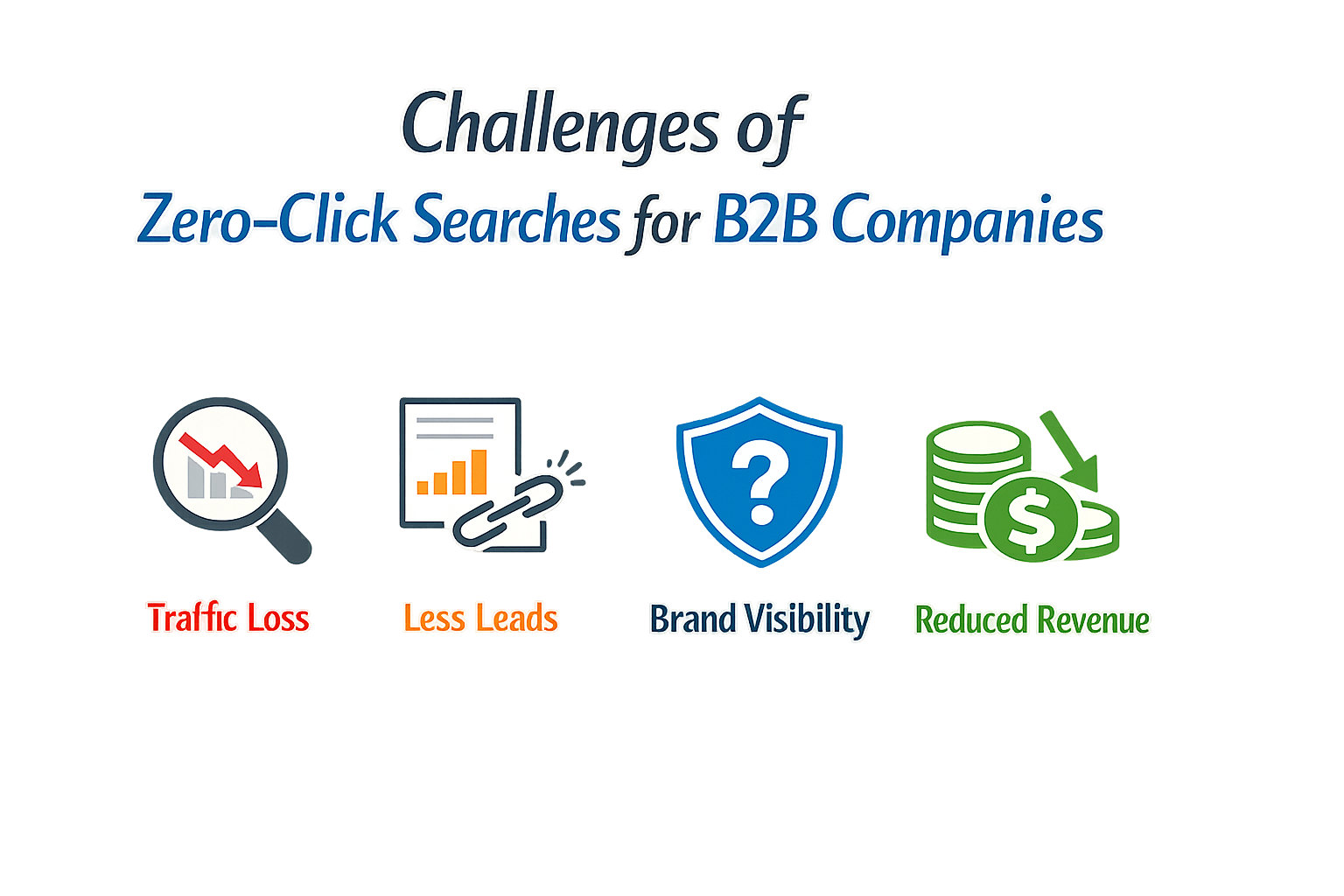
Zero-click searches represent a fundamental shift in how search engines deliver information. When Google or other platforms answer a query directly in the SERP — through featured snippets, AI overviews, knowledge panels, or local packs — the user gets what they need without clicking through to any website. For B2B companies, this creates a measurement and attribution problem: the organic search funnel that once started with a click now often ends before one occurs.
The challenge is not just lost traffic. It is lost visibility into intent. When a prospect researches your category, evaluates competitors, or seeks implementation guidance entirely within search results, you lose the behavioral signals that traditionally fed lead scoring, content attribution, and pipeline forecasting. Your content may be surfaced and consumed, but your analytics see nothing.
What is the AI Overviews Impact on SEO and Attribution?
AI-generated overviews compound the problem by synthesizing answers from multiple sources without clear attribution. A buyer might read a comprehensive response that pulls from your documentation, a competitor's blog, and a third-party review — all presented as a single, authoritative block. The click-through rate drops further, and the sources that contributed to the answer receive no direct traffic signal.
This shift forces B2B marketers to rethink what success looks like. Traditional metrics — sessions, page views, time on site — become less reliable proxies for search performance. A page that ranks well and appears in AI overviews may generate significant brand exposure and influence without producing a single measurable session. The gap between search presence and analytics data widens, and the tools built for a click-based web struggle to account for it.
Structural Challenges in B2B Measurement
B2B buying cycles already involve multiple touchpoints, long consideration windows, and cross-functional decision-making. Zero-click searches add another layer of opacity. A technical evaluator might consume your content through AI overviews during early research, then return weeks later via a direct visit or paid ad before converting. Standard attribution models will credit the later touchpoint, missing the search interaction that seeded the relationship.
The problem is worse for companies with complex product lines or technical documentation. Search engines increasingly pull structured data, code examples, and procedural guidance directly into results. A developer solving an integration problem may never leave the SERP, yet that interaction represents real demand and product fit. Without new measurement frameworks, these high-intent moments remain invisible to marketing and product teams. For companies seeking best practices for deploying AI web apps, the challenge is compounded by the technical nature of the queries and the likelihood that answers will be served in-platform.
The highest-value search interactions in B2B often happen in the places your analytics cannot see — which means the content that drives them must be measured by different proxies.
Steps to Adapt Your B2B Strategy for Zero-Click Searches
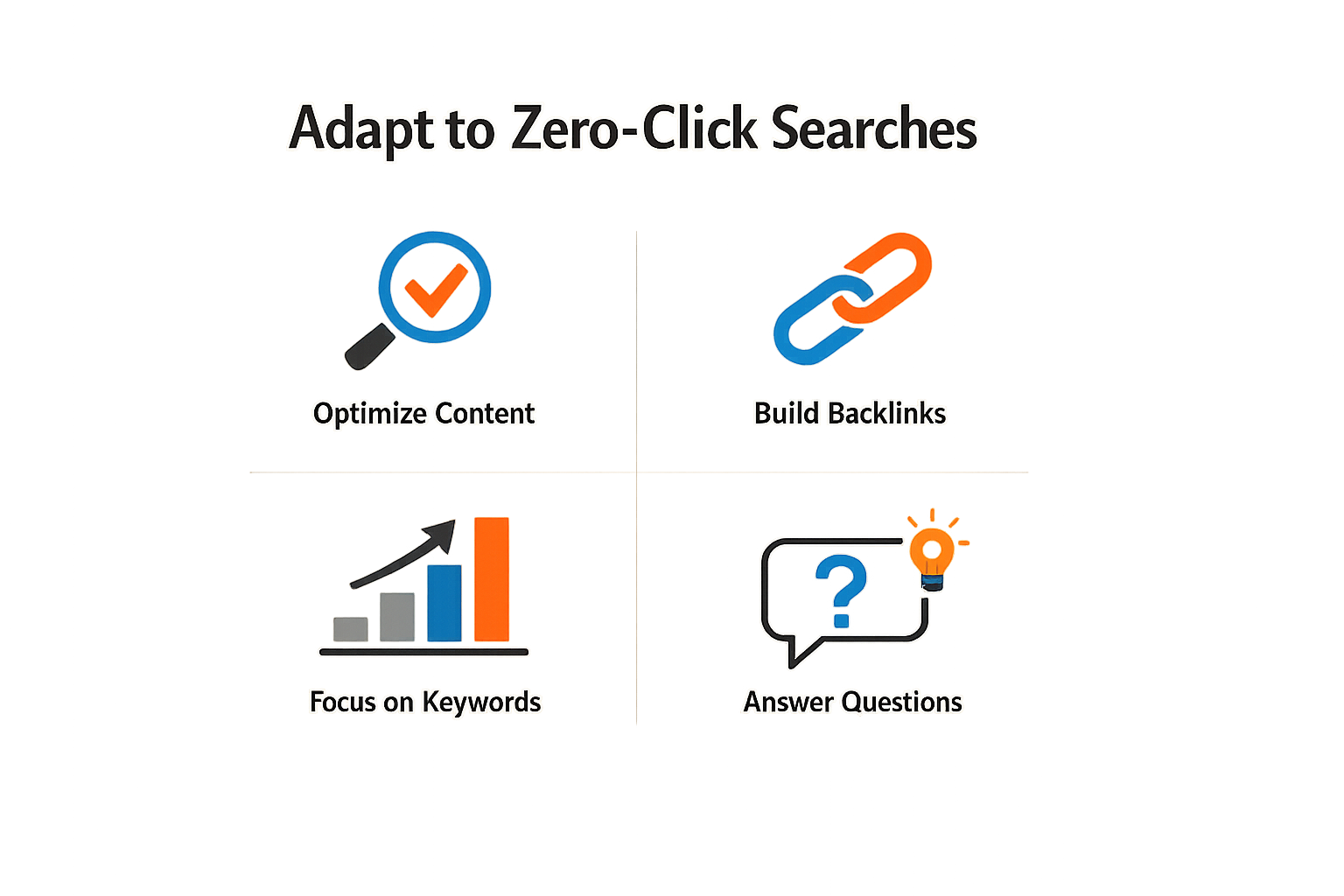
Adapting to the ai overviews impact on seo requires a shift from traffic-first thinking to visibility-first execution. B2B companies cannot wait for the zero-click trend to reverse — the structure of search results has changed permanently. The following steps provide a concrete framework for adjusting strategy, measurement, and content architecture to maintain pipeline performance when traditional click-through rates decline.
Build a Search Intelligence Foundation
Before adjusting content or tracking, establish a baseline of what buyers are actually asking. Use tools like Ahrefs, Google Search Console, and live SERP analysis to identify which queries trigger AI overviews, featured snippets, or other zero-click formats in your category. Track impressions alongside clicks — impressions indicate visibility even when users do not reach your site. Competitive analysis reveals which topics competitors own in AI-generated answers and where gaps exist.
Step 1
Inventory your current visibility
Catalog every keyword where your content appears in search results, noting whether it triggers an AI overview, featured snippet, People Also Ask box, or traditional organic listing. Separate queries by intent: informational, comparison, or decision-stage. This inventory becomes the foundation for prioritizing which content to optimize first.
Step 2
Map buyer journeys to zero-click formats
Convert your keyword list into buyer journey stages. Early-stage informational queries often trigger AI overviews; comparison queries may surface featured snippets; decision-stage queries still drive clicks. Align your content architecture to address each stage, ensuring you have pillar content for high-visibility topics and supporting articles that answer related questions search engines pull into AI-generated summaries.
Optimize Content for AI-Search Readiness
AI overviews and featured snippets extract content that is structured, factual, and easy to parse. B2B companies must shift from keyword density to extractability — the ability of an algorithm to pull a clean, accurate answer from your page. Use clear headings, short paragraphs, and direct answers to common questions. Include structured data where applicable. Cite authoritative sources to signal credibility.
Test each piece of content for SEO, AI-search readiness, source quality, and structure. Pages that pass these criteria are more likely to appear in AI overviews and maintain visibility even when click-through rates fall. For companies managing large content inventories, this means auditing existing pages and deciding which to keep, update, merge, expand, or retire based on their ability to compete in zero-click formats.
Establish Recurring Measurement and Iteration
Measurement must extend beyond clicks. Track impressions, rankings, AI citations, and branded search volume as leading indicators of pipeline influence. Monitor Google Search Console for queries where your content appears but does not receive clicks — these are zero-click opportunities. If impressions rise while clicks remain flat, your content is visible but not compelling enough to drive engagement, or the SERP format is answering the question without requiring a click.
Step 3
Implement a feedback loop
Set a recurring cadence — monthly or quarterly — to review which content is gaining impressions, which is being cited in AI overviews, and which is losing visibility. Use this data to prioritize rewrites, new content, or strategic pivots. The goal is not a burst of activity but a compounding function that improves over time.
For B2B companies deploying AI-powered tools or web applications, consider how your own product strategy aligns with search visibility. Best practices for deploying AI web apps often include optimizing for discoverability, which parallels the need to make your content extractable by search engines.
| Metric | Traditional SEO | Zero-Click Adaptation |
|---|---|---|
| Primary KPI | Clicks, sessions | Impressions, AI citations |
| Content goal | Drive traffic | Answer questions |
| Success signal | Rising CTR | Rising impressions + branded search |
| Optimization focus | Keyword density | Extractability, structure |
The shift to zero-click search does not eliminate the need for SEO — it changes what SEO optimizes for. B2B companies that treat visibility as the new traffic and structure content for extraction rather than clicks will maintain pipeline influence even as the mechanics of search results evolve.
Tips and Tricks for Measuring Zero-Click Searches
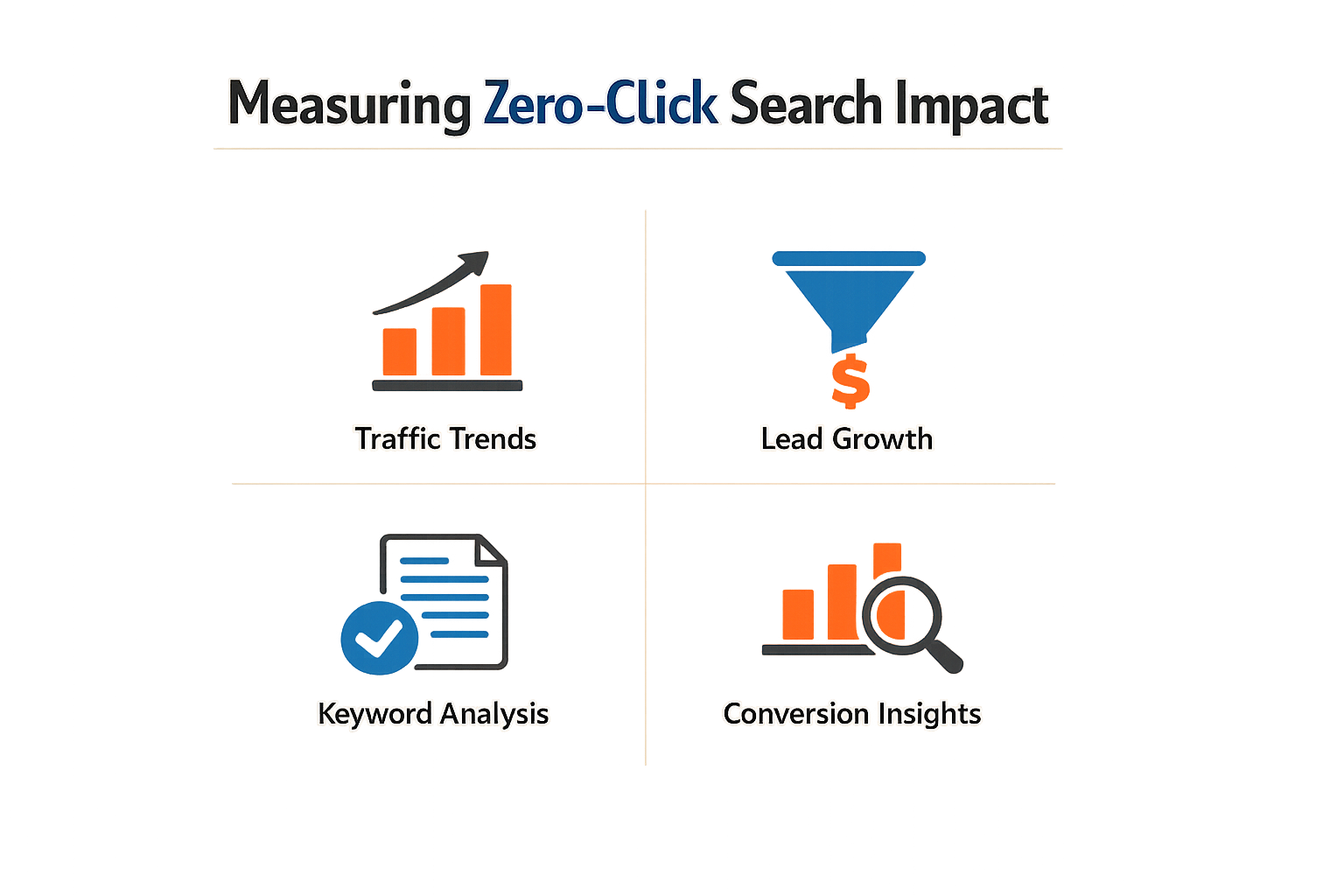
Measuring zero-click searches requires looking beyond traditional click-based metrics. When Google answers a query directly in an AI overview or featured snippet, your content may be working even when the click never happens. The challenge is instrumenting visibility, influence, and downstream pipeline contribution when the first touchpoint leaves no trace in your analytics.
Track Impressions and Position Before Clicks
Google Search Console becomes your primary instrument. Impressions tell you how often your pages appear in search results, and average position shows whether you hold the visibility needed to trigger AI overviews or featured snippets. A page ranking in positions 1–3 with high impressions but low clicks is a zero-click candidate — your content is being consumed in the SERP itself.
Compare impression volume to click volume over time. If impressions hold steady or grow while clicks decline, you are likely feeding AI-generated answers. Filter by query to identify which keywords trigger this pattern, then cross-reference those queries against your target account list and known buyer research patterns.
Measure Content Contribution to Pipeline, Not Just Traffic
Zero-click searches decouple content performance from session-based attribution. A prospect reads your answer in an AI overview on Monday, remembers your brand, and visits your site via direct traffic on Wednesday. Traditional analytics attributes the conversion to direct, but the real driver was the zero-click exposure.
Instrument content influence by tracking:
- Brand search lift: Monitor branded query volume in Search Console. If non-branded impressions rise and branded searches follow, your zero-click content is building awareness.
- Multi-touch attribution: Use CRM data to identify accounts that convert after multiple interactions. Look for patterns where early-stage research queries (high zero-click likelihood) precede later direct or branded visits.
- Survey and feedback: Ask new leads how they first heard about you. If "Google search" is common but your analytics show low organic sessions, zero-click exposure is filling the gap.
Use AI Citation Tracking and Competitive Visibility Research
Monitor whether your content appears as a cited source in AI overviews. Manually search high-value queries your buyers use and document when your pages are referenced. This is labor-intensive but reveals which content Google trusts enough to surface in generative answers.
Competitive analysis matters more in a zero-click environment. If your competitor's content is cited and yours is not, the visibility gap costs you influence even if neither of you gets the click. Tools that track SERP features and AI overview presence give you a repeatable way to benchmark your share of zero-click real estate. For teams managing best practices for deploying AI web apps, the same principles apply — measure influence and trust signals, not just traffic.
When the click disappears, measure the impression, the citation, and the branded search that follows.
Establish a Baseline and Track Change Over Time
Before you can measure impact, you need a baseline. Export your current Search Console data: total impressions, total clicks, CTR, and average position for your top 50 pages. Segment by page type (pillar content, product pages, how-to guides) and by buyer journey stage (awareness, consideration, decision).
Review this data monthly. Look for:
- Pages where impressions grow but clicks stay flat or decline
- Queries where your average position improves but CTR drops
- Increases in branded search volume that correlate with spikes in non-branded impressions
These patterns indicate zero-click influence. Over time, you will see which content types and topics generate the most zero-click exposure and whether that exposure translates into downstream pipeline activity.
Conclusion
Zero-click searches and AI overviews have fundamentally changed how B2B buyers consume search results. The shift from click-through to answer-in-place means organic traffic numbers alone no longer tell the full story of search visibility or pipeline influence. Organizations that measure only sessions and conversions miss the audience that reads your content in the SERP and never arrives at your site.
The measurement strategies outlined here—impression tracking, branded search lift, entity monitoring, and multi-touch attribution—give you visibility into the full funnel. When you track impressions alongside clicks, you see where your content appears even when it doesn't generate a session. When you monitor branded search volume and entity associations, you capture the awareness and consideration signals that precede direct navigation or demo requests. These metrics matter because they reflect real buyer behavior: prospects who evaluate you in AI Overviews before they ever fill out a form.
Adapting to zero-click searches is not optional for B2B teams that rely on organic search for pipeline. The question is whether you measure the impact before or after your competitors do. Start with the data you already have in Search Console—impressions, position, and query patterns—and layer in branded search trends and CRM attribution. Build the reporting infrastructure that connects SERP presence to pipeline outcomes, and use it to guide content decisions and keyword prioritization.
The organizations that treat zero-click visibility as a measurable channel will have clearer attribution, better content ROI, and more predictable pipeline contribution from search. The ones that wait for traffic to return to 2019 levels will keep losing ground to competitors who adapted their measurement frameworks to match how buyers actually use search today. For teams deploying AI-driven tools and analytics, understanding these dynamics is foundational—best practices for deploying AI web apps increasingly assume you can track and optimize for answer engines, not just traditional SERPs.
Related reading
Enterprise SEO for AI-Search Era: Effective Strategies
Local SEO for Multiple Locations: Service Area Business SEO - One
Programmatic SEO Examples: Templated Pages and Content Abuse
Sources(14)
- Google Search Central documentation
- Google Search Central — AI features and your website
- Google Search Central — Local business (LocalBusiness) structured data
- Google Business Profile guidelines
- ServiceTitan
- ServiceTitan
- FieldPulse
- Local Service Business OS
- Google Search Central documentation
- Google Search Central documentation
- google-search-central (source_extract)
- google-search-central (source_extract)
- managed-search-content (shared_fact)
- digital-growth-strategy (xl_local_os_editorial)
Written by
Xenophon Giannis
Published October 18, 2026 · 13 min read
Xenophon Giannis is the founder and CEO of Xenco Labs, where he designs, builds, deploys and operates production AI software solo — on his own multi-node cluster, with his own LLM gateway and automation infrastructure. Twenty-five years in enterprise technology came first: a decade at AboveNet, hired as its first sales rep after bankruptcy and promoted until he ran the entire Western Pacific region, then sales leadership at Black Lotus and Nexusguard in DDoS mitigation. He writes about what he actually ships, and what actually breaks in production.
You Might Also Like
More from the Xenco Labs blog

Lead Generation for IT Companies: Enterprise Strategies
Learn effective lead generation for IT companies and infrastructure strategies, turning search demand into a strong sales pipeline.
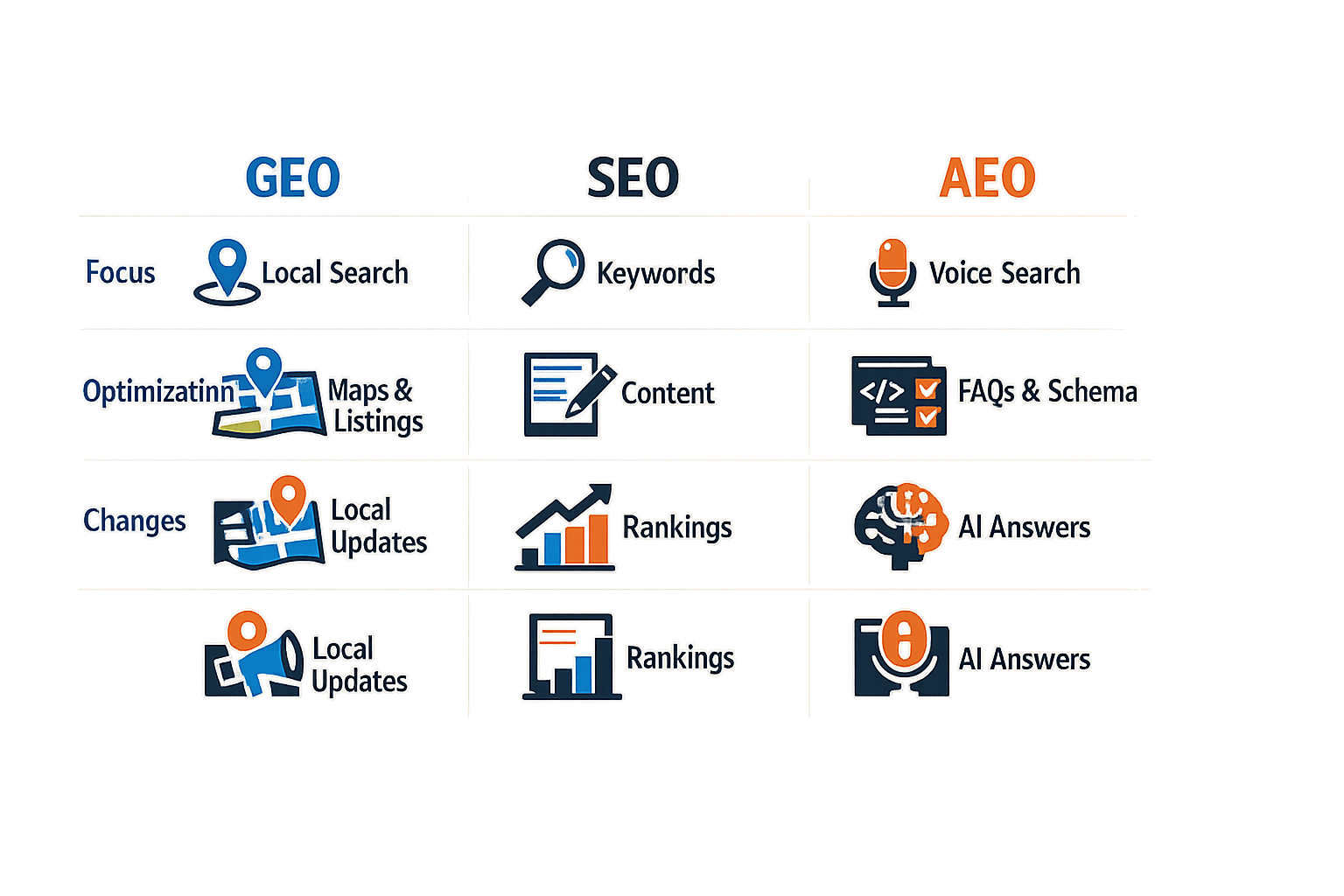
Geo vs SEO: AEO vs SEO: Key Changes for Search Teams (+ GEO Explained)
Explore the differences between AEO vs SEO and GEO, and understand what changes for search teams and what remains the same in modern search optimization. Learn about geo

SEO Manager Job Description: In-House vs Agency
Explore in-house SEO vs agency options through the SEO Manager job description, covering key responsibilities and when each approach fits your organization.
SEO Content Brief to Published Page: Content Operations Workflow
Explore the content operations workflow from seo content brief to published page, ensuring efficiency and quality at every stage.