
SEO Manager Job Description: In-House vs Agency
Explore in-house SEO vs agency options through the SEO Manager job description, covering key responsibilities and when each approach fits your organization.
Discover the SEO Manager job description, key responsibilities, and when this role is essential for your organization.
Introduction
Choosing between in-house SEO vs agency models is one of the most consequential decisions organizations face when building search capability. The SEO Manager role sits at the intersection of technical implementation, content strategy, and business outcomes, but there is no universal answer to whether this expertise should live internally or be outsourced.
That question has no universal answer. The right structure depends on what you expect the role to own. Modern search roles increasingly combine SEO, AI search visibility, content operations, technical implementation, conversion optimization, and analytics. A single hire cannot execute all eight disciplines at expert level — but someone must own the stack, prioritize the roadmap, and translate search performance into executive language.
We have seen companies define SEO Manager roles that describe three full-time jobs, then wonder why the hire burns out or delivers shallow results. We have also seen organizations hand search to agencies without defining success criteria, then blame the vendor when rankings improve but revenue does not. Both failures stem from the same root cause: unclear ownership of the search function.
This guide walks through the SEO Manager job description by examining core responsibilities, decision-making authority, and the operational disciplines that determine whether in-house or agency structures fit your organization. If you are writing a job description, evaluating a hire, or deciding whether to bring search in-house, the framework below shows what belongs where.
Problem Statement
Organizations struggle to define what an SEO Manager actually does, which makes the in-house SEO vs agency decision harder than it needs to be. Job descriptions circulate with vague mandates like "improve rankings" or "drive organic traffic," but those outputs don't map to the business outcomes executives care about. When the role is defined by vanity metrics rather than revenue impact, companies either hire the wrong person or outsource to an agency that optimizes for the same hollow benchmarks.
The confusion deepens when teams conflate SEO execution with SEO strategy. An in-house SEO Manager is expected to own both the roadmap and the implementation, yet most job descriptions fail to specify whether the role includes hands-on technical work, content production, or purely strategic oversight. Without that clarity, hiring managers end up with candidates whose skill sets don't match the actual workload, and agencies pitch services that duplicate or contradict internal efforts.
How Do Metrics Align with Business Goals?
Rankings and traffic are necessary conditions for SEO success, but they are not sufficient. A site can rank on page one for dozens of keywords and still generate zero qualified leads if the content doesn't align with buyer intent or the conversion path is broken. According to research from Google Search Central, helpful content that serves user needs consistently outperforms keyword-stuffed pages in both traditional and AI-powered search results. SEO reporting for executives requires metrics that tie directly to pipeline: consultation requests, demo bookings, or signed contracts. When the SEO Manager job description doesn't anchor accountability to these outcomes, the role becomes a cost center rather than a growth lever.
Agencies often optimize for what's easiest to report rather than what drives revenue. They deliver monthly dashboards filled with keyword-position charts and domain-authority scores because those numbers move predictably when you publish content and build links. But if the consultation calendar stays empty, the SEO program is decorative. An in-house manager has the context to connect search behavior to actual customer journeys; an agency has to infer that context from whatever the client shares in kickoff calls.
What Causes Role Ambiguity in SEO Hiring?
Many organizations don't know whether they need an SEO Manager, an SEO Specialist, or a fractional consultant until they've already posted the job. The Manager title implies leadership and strategic planning, but smaller companies often expect the same person to audit technical issues, write title tags, and negotiate with developers. That's three distinct skill sets, and hiring for all three simultaneously narrows the candidate pool to people who are either overqualified or stretched too thin.
The structural gap widens when SEO sits in a silo. If the SEO Manager reports to marketing but has no authority over the product team that controls site architecture, or the content team that publishes without keyword research, the role becomes purely advisory. Agencies avoid this problem by working cross-functionally from the outside, but they lack the institutional knowledge to prioritize fixes that matter versus fixes that are technically correct but commercially irrelevant.
When the role is defined by vanity metrics rather than revenue impact, companies either hire the wrong person or outsource to an agency that optimizes for the same hollow benchmarks.
The decision between in-house SEO and agency support hinges on whether your organization can define success in terms of business outcomes, allocate the resources to execute on those outcomes, and integrate SEO into the broader go-to-market system. If any of those three conditions is missing, the job description—and the hire—will fail regardless of the candidate's resume.
Solution Steps
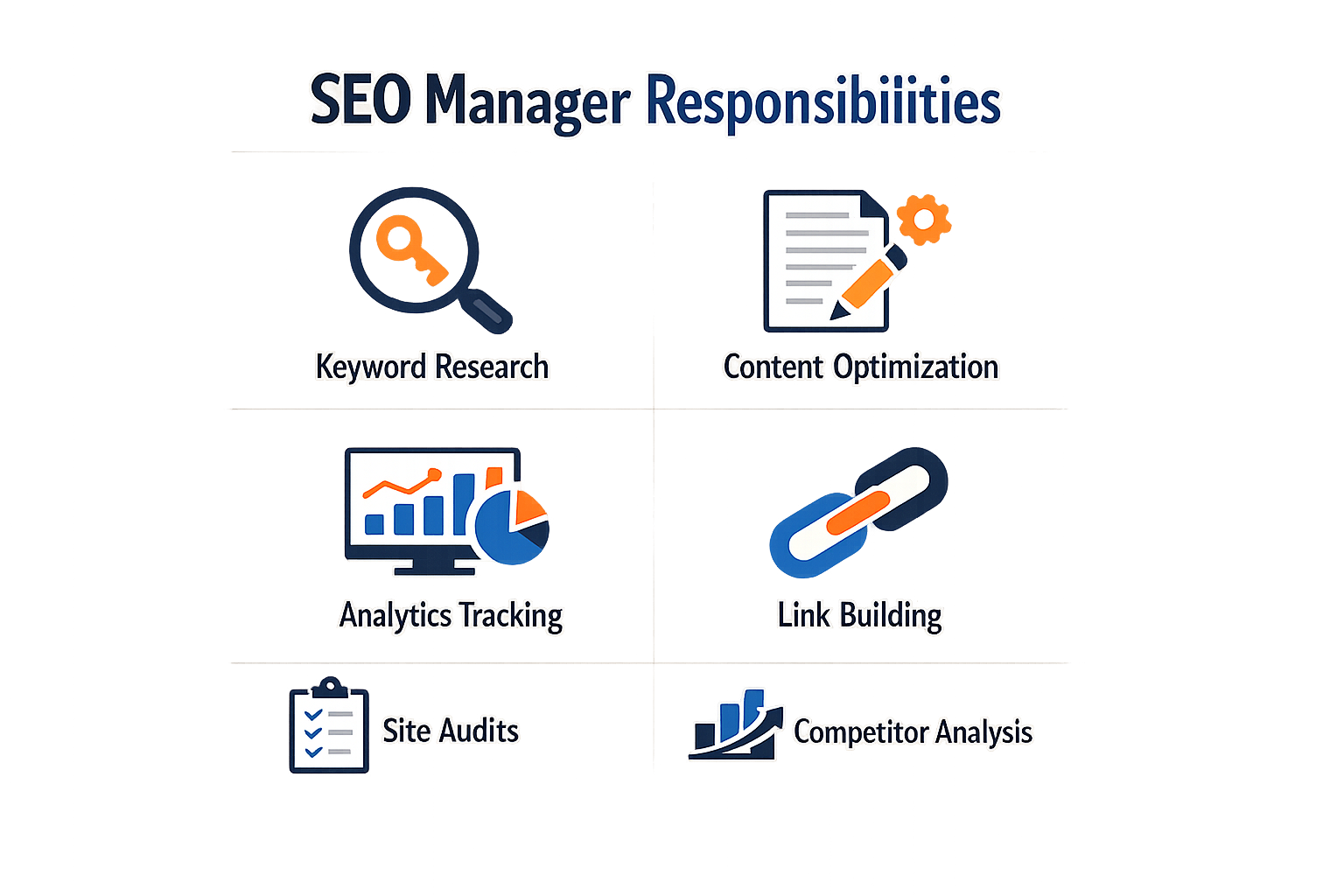
Modern SEO Manager roles no longer fit a single template. The function has expanded beyond link building and keyword research into a broader search discipline that includes AI visibility, content operations, and technical implementation. Organizations choosing between in-house SEO vs agency models need to understand what the role actually covers before deciding where to place it.
The responsibilities below represent the full scope of what a contemporary SEO Manager owns. Not every organization needs every function at full capacity, but each area must be addressed — either by the in-house role, an agency partner, or a managed service.
Core Responsibilities of an SEO Manager
An SEO Manager typically owns eight operating disciplines, each with distinct deliverables and skill requirements.
SEO strategy and technical search form the foundation. This includes site architecture, crawl optimization, indexing strategy, and technical audits. The SEO Manager ensures that the site is discoverable, crawlable, and structured for both traditional search engines and AI systems.
AEO, GEO, and AI citation visibility address how content surfaces in generative AI platforms like ChatGPT, Perplexity, and Google's AI Overviews. This discipline requires structured content, entity optimization, and citation-worthy formatting — areas where traditional SEO alone falls short.
Keyword, entity, and intent intelligence drive content planning. The SEO Manager maps search demand to business goals, identifies content gaps, and prioritizes topics based on competitive opportunity and user intent. This function feeds directly into content architecture.
Step 1
Content architecture and managed production
The SEO Manager defines the content system: taxonomy, URL structure, internal linking strategy, and production workflows. In larger organizations, this includes managing writers, editors, and content operations tools. The goal is repeatable, scalable content that ranks and converts.
Step 2
Structured data and machine-readable content
Schema markup, JSON-LD, and entity tagging make content interpretable by AI systems. The SEO Manager ensures that products, services, locations, and expertise are marked up correctly and consistently. This is non-negotiable for AI search visibility.
Step 3
Conversion paths and CRO
SEO traffic that doesn't convert is noise. The SEO Manager collaborates with product and marketing teams to optimize landing pages, CTAs, and user flows. This responsibility bridges search visibility and revenue.
How Does the SEO Manager Report Performance?
The SEO Manager owns the reporting cadence that executives review. This includes share of voice, organic traffic trends, keyword rankings, AI citation frequency, and pipeline contribution. SEO reporting KPIs for executives require translation from technical metrics into business outcomes — a skill that separates strategic SEO leads from tacticians.
AI tooling and agents round out the modern SEO Manager's toolkit. Automation handles repetitive tasks like rank tracking, content audits, and technical monitoring. The SEO Manager selects tools, configures workflows, and ensures the stack integrates with broader marketing systems.
When Should You Choose In-House SEO vs Agency?
The decision between in-house SEO vs agency depends on which responsibilities require daily internal ownership and which can be operated externally.
| Responsibility | In-House Advantage | Agency Advantage |
|---|---|---|
| Strategy and roadmap | Direct alignment with product and exec priorities | Cross-industry pattern recognition |
| Content production | Tight integration with brand voice and internal SMEs | Scalable capacity and specialized writers |
| Technical implementation | Fast iteration with dev and product teams | Specialized tooling and audit depth |
| Reporting and measurement | Custom dashboards tied to internal KPIs | Benchmarking and competitive context |
Organizations with complex products, regulated industries, or frequent product launches typically need an in-house SEO Manager to own strategy, reporting, and cross-functional coordination. Agencies or managed services handle execution: content production, link building, technical audits, and tooling.
Smaller organizations or those in early growth stages often start with an agency to build the foundation, then hire in-house once the function justifies a full-time role. The reverse — hiring in-house first without external support — works only when the hire has operated the full stack before. For service businesses evaluating marketing channel plans, the in-house SEO vs agency choice often depends on whether organic search is a primary lead source or a supporting channel.
The cheapest structure is the one where accountability is clear and every responsibility has an owner who can be held to a metric.
Tips and Tricks
Hiring and managing an SEO professional — whether in-house or through an agency — requires discipline in the evaluation process. The difference between a productive relationship and a costly misstep often comes down to how thoroughly you vet credentials and set expectations before the contract is signed.
Evaluate Business References and Past Performance
Ask potential SEO candidates or agencies for business references from past clients. When you contact those references, focus on three areas: whether the SEO provided measurable results, whether they communicated clearly throughout the engagement, and whether they were easy to work with during challenging periods. A candidate who cannot produce satisfied former clients or who deflects reference checks should raise immediate concern.
During the interview process, pay attention to whether the candidate asks substantive questions about your business. An effective SEO should demonstrate genuine interest in what makes your organization unique, how your competitors position themselves, and how your customers currently find you. If a candidate jumps straight to tactics without understanding your business context, they are likely following a template rather than building a custom strategy.
Structure Initial Access and Audit Scope Carefully
If an SEO offers to conduct an audit before engagement, grant only read access to your Search Console and analytics platforms at this stage. Write access should be reserved until after you have evaluated their recommendations and decided to move forward. This protects your site from premature changes and gives you leverage to walk away if the audit reveals a poor fit.
For organizations deciding between in-house SEO vs agency structures, the access question becomes even more critical. In-house managers typically require full administrative access to execute strategy, while agency relationships benefit from tiered permissions that match the scope of work. Define these boundaries in writing before onboarding begins.
Set Clear Performance Expectations and Reporting Cadence
Establish specific KPIs and reporting intervals before the SEO begins work. Organic traffic growth, keyword ranking improvements, and conversion rate changes should be tracked consistently, but the timeline for results must be realistic — most SEO initiatives require 3–6 months to show measurable impact. Avoid contracts that promise immediate ranking jumps or guaranteed positions, as these claims typically indicate either ignorance of how search works or willingness to use tactics that carry long-term risk.
Define how often you expect reports and what format they should take. Monthly reports work well for most organizations, but the content matters more than the frequency. A useful SEO report explains what changed, why it changed, and what actions are planned for the next period — it does not simply dump raw data tables without interpretation. Organizations implementing small business automation can integrate SEO reporting into existing dashboards to reduce manual overhead.
Conclusion
The SEO Manager role has evolved beyond traditional ranking optimization into a function that spans technical search, AI visibility, content operations, and measurable business outcomes. Whether you build this capability in-house or partner with an agency depends on your organization's operational maturity, budget constraints, and willingness to staff the eight disciplines modern search requires: SEO strategy, GEO and AI citation visibility, keyword intelligence, content architecture, structured data, conversion optimization, reporting, and automation tooling.
Success in organic search is no longer measured by ranking improvements alone—it hinges on generating qualified consultations and signed implementations. An SEO Manager who understands this shift can align search visibility with revenue goals, coordinate cross-functional teams, and build systems that scale with your business. Organizations that treat SEO as a discrete marketing channel often understaff the function; those that recognize it as an operating discipline invest accordingly.
If you're defining an in-house role or evaluating whether an agency fits your needs, start by mapping which responsibilities belong with a person, which belong in software, and which can be operated as a managed service. The right structure depends on your organization's specific constraints—there is no universal answer to in-house SEO vs agency, only the answer that fits your pipeline, your team, and your tolerance for operational complexity. Hire for the function you need, not the title you recognize.
FAQ
What is in-house SEO vs agency, and which model is right for my business?In-house SEO vs agency is the choice between hiring a dedicated SEO Manager internally or contracting with an external agency. In-house SEO offers tighter integration with your product, brand, and internal teams, while agencies provide specialized expertise, scalable capacity, and cross-industry perspective. Organizations with complex products or frequent launches typically benefit from in-house leadership, while smaller businesses or those in early growth stages often start with an agency to build foundational search capability before hiring internally.
How do I know if I need an SEO Manager or should outsource to an agency?If your organization requires daily strategic decisions about search, close collaboration with product and engineering teams, or custom reporting tied to internal KPIs, an in-house SEO Manager is likely the better fit. If you need execution support—content production, technical audits, link building—without full-time overhead, an agency or managed service can deliver those capabilities more efficiently. Many successful organizations use a hybrid model: an in-house strategist who owns the roadmap and coordinates with an agency that handles execution.
What are the core responsibilities of an SEO Manager?An SEO Manager owns eight operating disciplines: SEO strategy and technical search, AEO/GEO and AI citation visibility, keyword and intent intelligence, content architecture and production, structured data implementation, conversion path optimization, executive reporting, and AI tooling and automation. Not every organization needs all eight at full capacity, but each must be addressed either internally, through an agency, or via managed services.
How long does it take to see results from an SEO Manager or agency?Most SEO initiatives require 3–6 months to show measurable impact on organic traffic and rankings. Results depend on the site's existing authority, the competitive landscape, and the scope of technical or content changes required. Avoid any candidate or agency that promises immediate ranking jumps or guaranteed positions—these claims typically indicate either ignorance of how search works or willingness to use tactics that carry long-term risk.
Sources(8)
- Google Search Central documentation
- Google Business Profile guidelines
- Google Search Central documentation
- Google Search Central documentation
- Google Search Central documentation
- Google Search Central — Local business (LocalBusiness) structured data
- Google Business Profile guidelines
- managed-search-content (xl_local_os_editorial)
Written by
Xenco Labs Editorial
Published October 20, 2026 · 14 min read
The Xenco Labs editorial team writes about building and shipping AI products to production.
You Might Also Like
More from the Xenco Labs blog

Lead Generation for IT Companies: Enterprise Strategies
Learn effective lead generation for IT companies and infrastructure strategies, turning search demand into a strong sales pipeline.
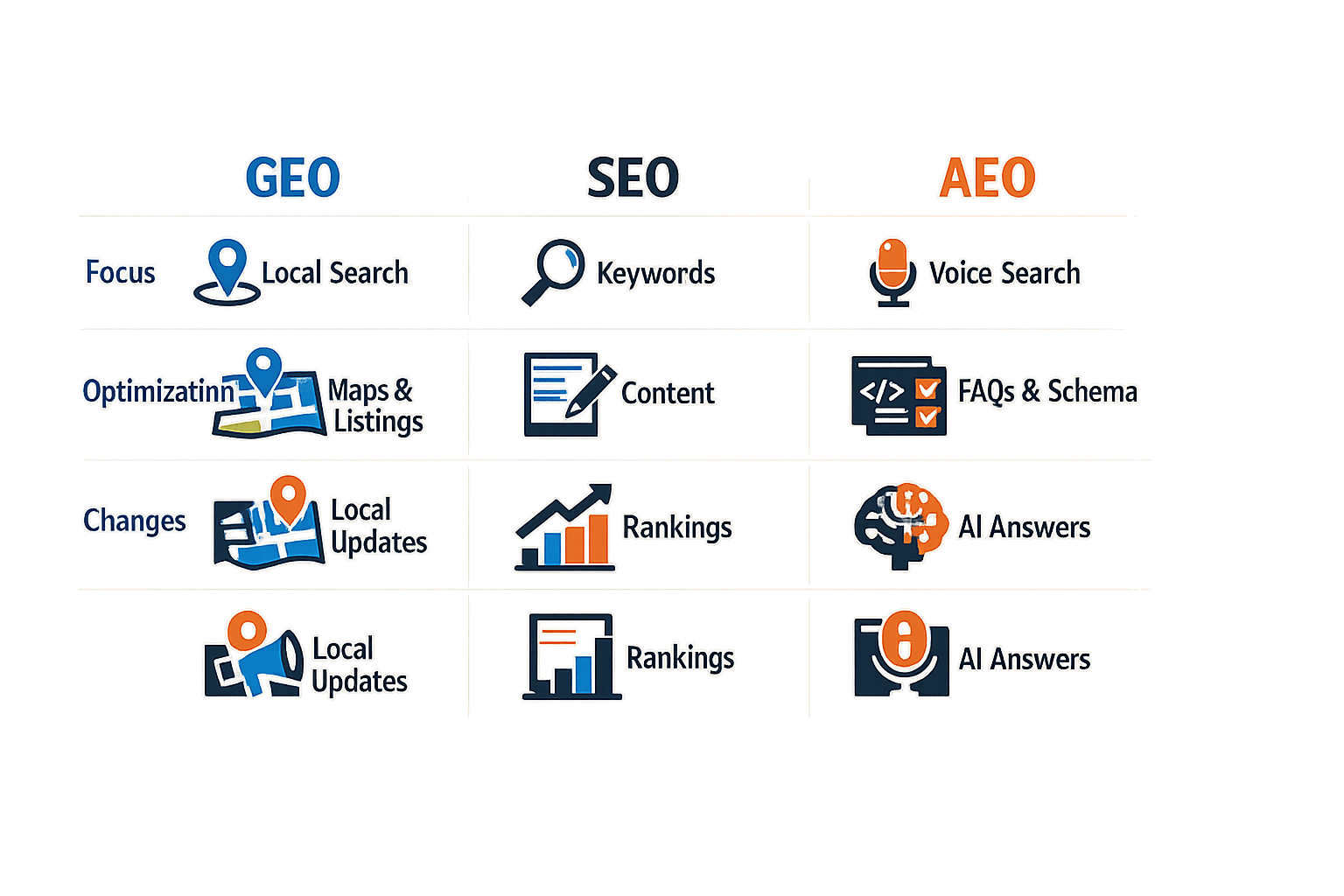
Geo vs SEO: AEO vs SEO: Key Changes for Search Teams (+ GEO Explained)
Explore the differences between AEO vs SEO and GEO, and understand what changes for search teams and what remains the same in modern search optimization. Learn about geo
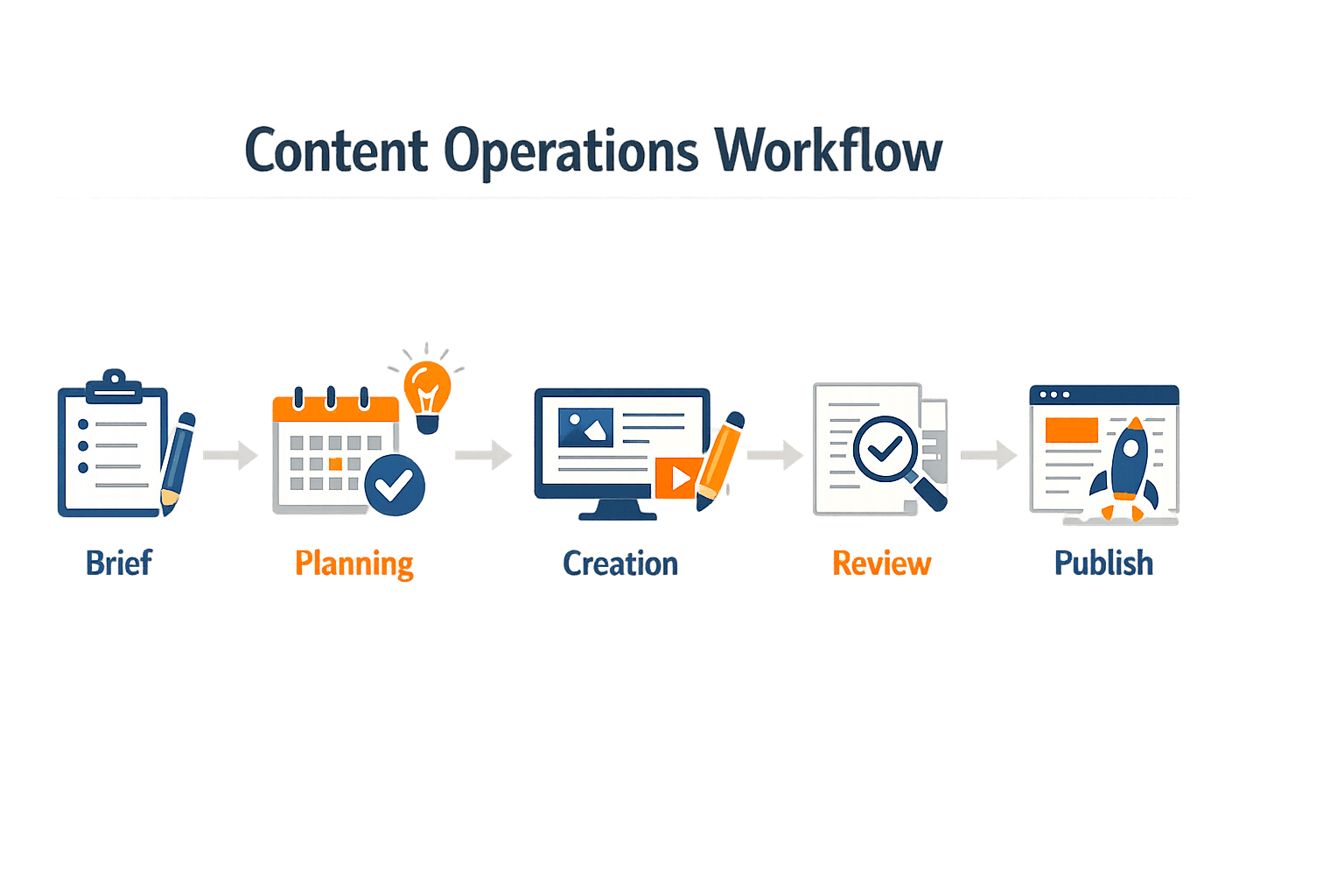
SEO Content Brief to Published Page: Content Operations Workflow
Explore the content operations workflow from seo content brief to published page, ensuring efficiency and quality at every stage.

SEO Reporting KPIs for Executives: Essential Metrics to Review
Explore key SEO reporting KPIs for effective executive reviews, ensuring data-driven decisions and measurable business impact.