Geo vs SEO: AEO vs SEO: Key Changes for Search Teams (+ GEO Explained)
Explore the differences between AEO vs SEO and GEO, and understand what changes for search teams and what remains the same in modern search optimization. Learn about geo
Introduction
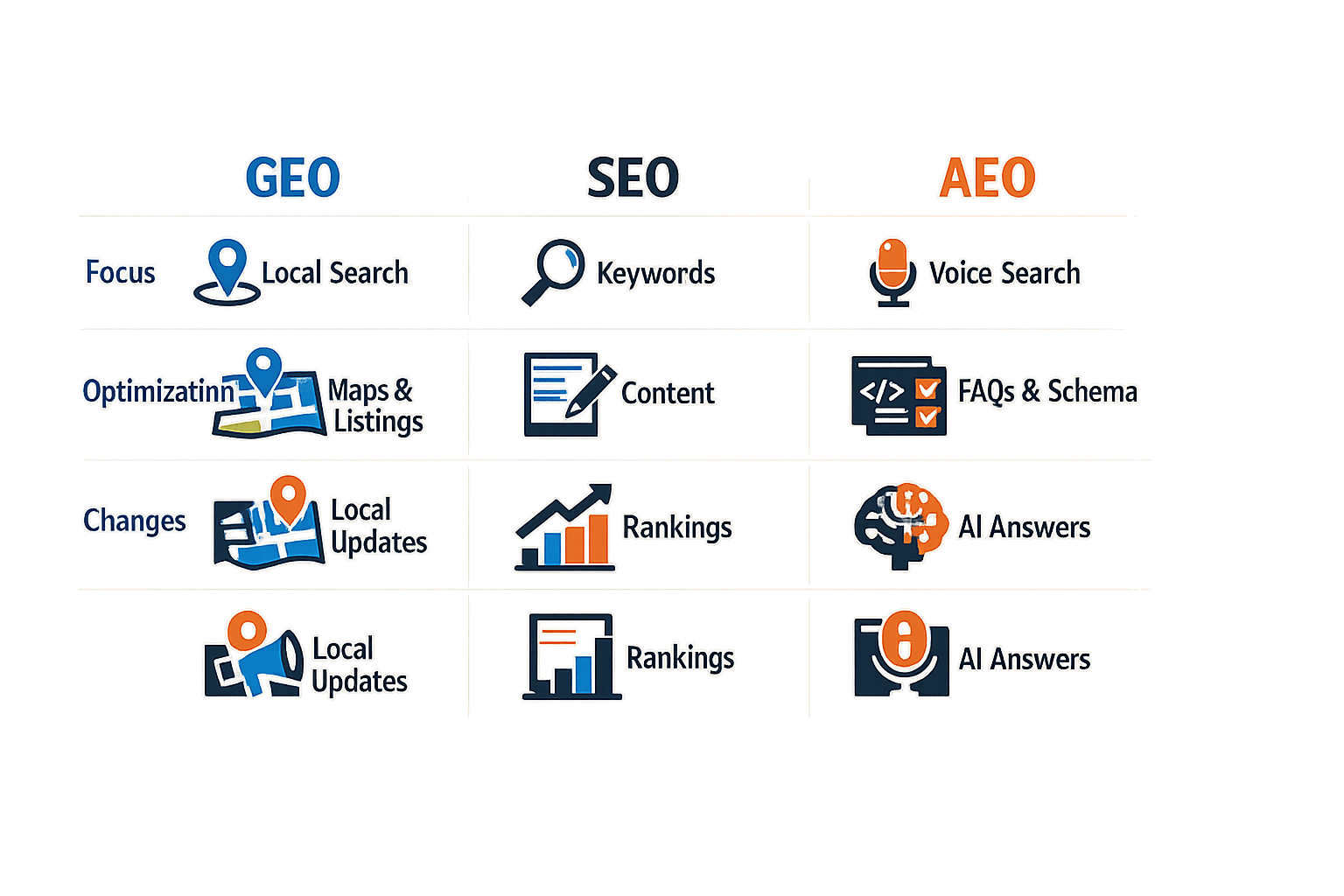
AEO vs SEO is a question search teams encounter frequently, often alongside GEO (generative engine optimization). The distinction between AEO vs SEO and traditional search optimization matters less than understanding what these acronyms represent: emphasis areas within a unified search function rather than separate playbooks requiring new headcount or dedicated budgets.
Search teams today encounter three acronyms presented as if they represent different strategies: SEO (search engine optimization), AEO (answer engine optimization), and GEO (generative engine optimization). The reality is more practical. These terms describe emphasis areas within a unified search function rather than separate playbooks requiring new headcount or dedicated budgets.
At Xenco Labs, we build operating systems for local service businesses and optimize search programs for technology companies. When we evaluate the distinction between AEO vs SEO or add GEO into the conversation, the pattern is consistent: the core principles of creating helpful, crawlable, and machine-readable content apply regardless of whether the content surfaces in traditional blue links, AI Overviews, or citation blocks in ChatGPT.
The shift is operational, not philosophical. Modern search roles increasingly combine SEO strategy, AI citation visibility, content operations, technical implementation, conversion optimization, analytics, and automation. The question is not whether your team should "do AEO" or "switch to GEO" — it is how to integrate answer-focused content structure and entity clarity into existing workflows without fragmenting the function.
For a broader view of how search visibility integrates with AI-driven results and citation engines, see our guide on AI Search Engine Optimization: GEO, AEO and Visibility Guide.
This article clarifies what each acronym represents, identifies the operational changes that matter, and separates real adjustments from rebranded fundamentals. If your search team is trying to decide whether to hire for "AEO" or restructure around "GEO," the framework here will show you what belongs with a person, what belongs in software, and what can be operated as a managed capability.
What Is the Difference Between AEO vs SEO?
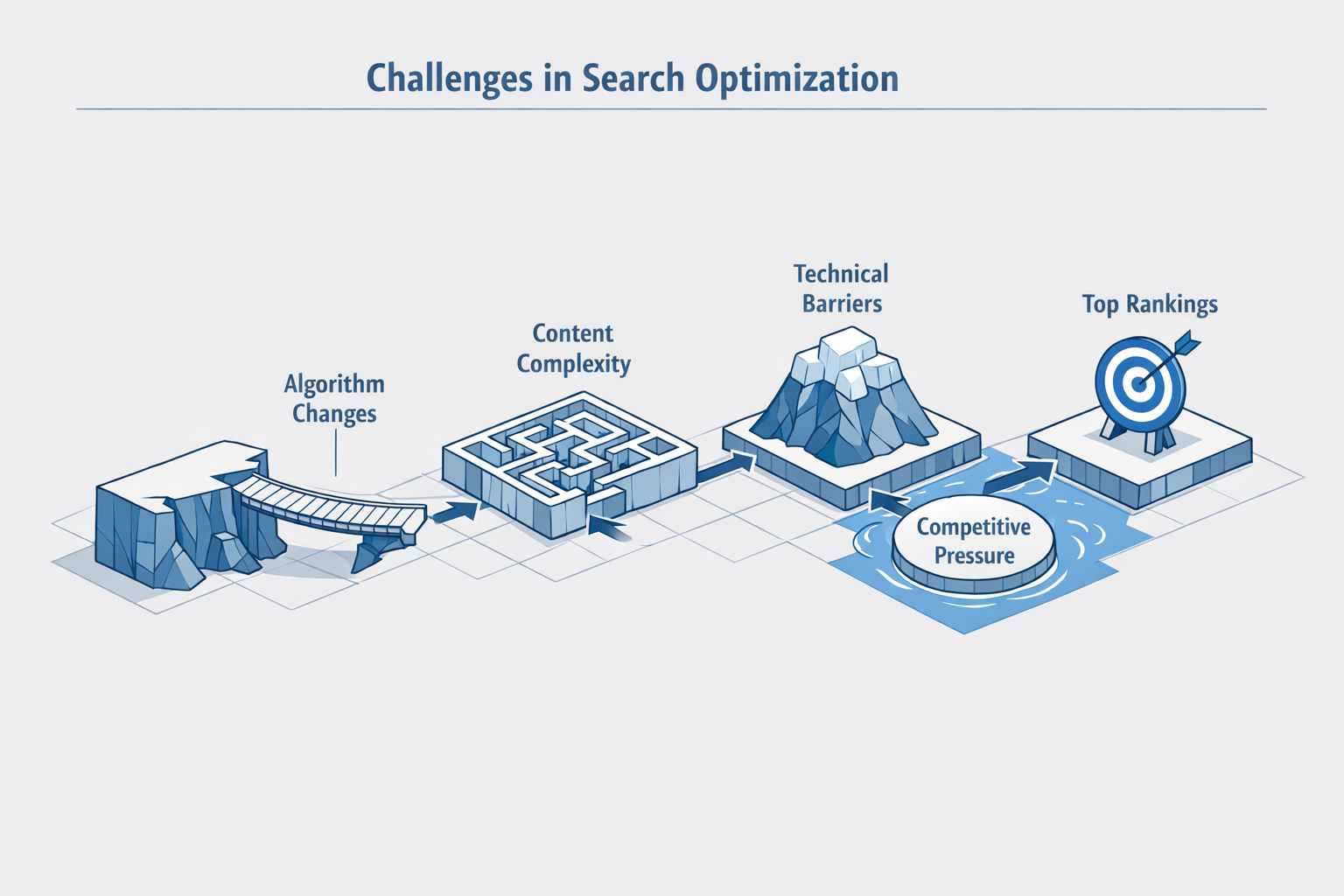
Search teams are being asked to deliver on expectations that no longer fit inside a single discipline. The shift from traditional SEO to a landscape that includes AEO and GEO has created a gap between what organizations need and what most teams were originally built to do. The problem is not that the fundamentals have changed — it is that the surface area has expanded faster than most hiring plans or org charts anticipated.
The Scope Creep No One Planned For
Companies are posting roles that ask one person to own a search stack, content system, technical roadmap, AI visibility program, conversion layer, and executive reporting cadence. Modern search roles increasingly combine SEO, AI-search visibility, content operations, technical implementation, conversion, analytics, and automation. That is not a job description — it is a function description dressed up as a single seat.
The confusion starts with terminology. SEO used to mean optimizing for Google's organic results. AEO emerged as shorthand for optimizing content to appear in AI-generated answers, whether in ChatGPT, Perplexity, or Google's AI Overviews. GEO, in some contexts, refers to generative engine optimization — the practice of making content more likely to be cited by LLM-based search experiences. In other contexts, it means geographic optimization for local search. The acronyms overlap, the definitions shift depending on who is speaking, and the underlying work often collapses into the same set of tasks: structured content, entity clarity, semantic relationships, and machine-readable formatting.
The Operational Reality
The challenge is not learning new techniques. Most of what works for traditional search — clear content architecture, accurate structured data, topical authority, and consistent entity representation — also works for AI-driven search features. The challenge is operational: how do you staff, scope, and measure a function that now spans keyword research, content production, technical implementation, citation tracking in LLM outputs, local visibility, conversion optimization, and executive dashboards?
Teams that were built to execute monthly content calendars and track rankings are now being asked to monitor whether their brand appears in AI-generated summaries, ensure their Google Business Profile is optimized for service areas, maintain schema markup across hundreds of pages, and explain to leadership why traffic patterns no longer correlate with historical SEO metrics. The skill set has not changed as much as the operational surface area has.
The acronyms overlap, the definitions shift depending on who is speaking, and the underlying work often collapses into the same set of tasks.
For a deeper look at how these disciplines integrate into a single operating model, see our guide on AI Search Engine Optimization: GEO, AEO and Visibility Guide. If you're tracking performance across these channels, our SEO Reporting KPIs for Executives guide provides measurement frameworks that work across traditional and AI-driven search.
What This Means for Hiring and Structure
If your organization is trying to fill a role that combines all three disciplines, you are defining a function, not a person. The work is real, but the expectation that one hire will own the entire stack is where most plans break down. Some of this work belongs with a strategist, some with a content operator, some with a technical implementer, and some with tooling or managed services. Recognizing that distinction is the first step toward building a search program that can actually deliver on the expanded scope.
How to Integrate AEO vs SEO Strategies
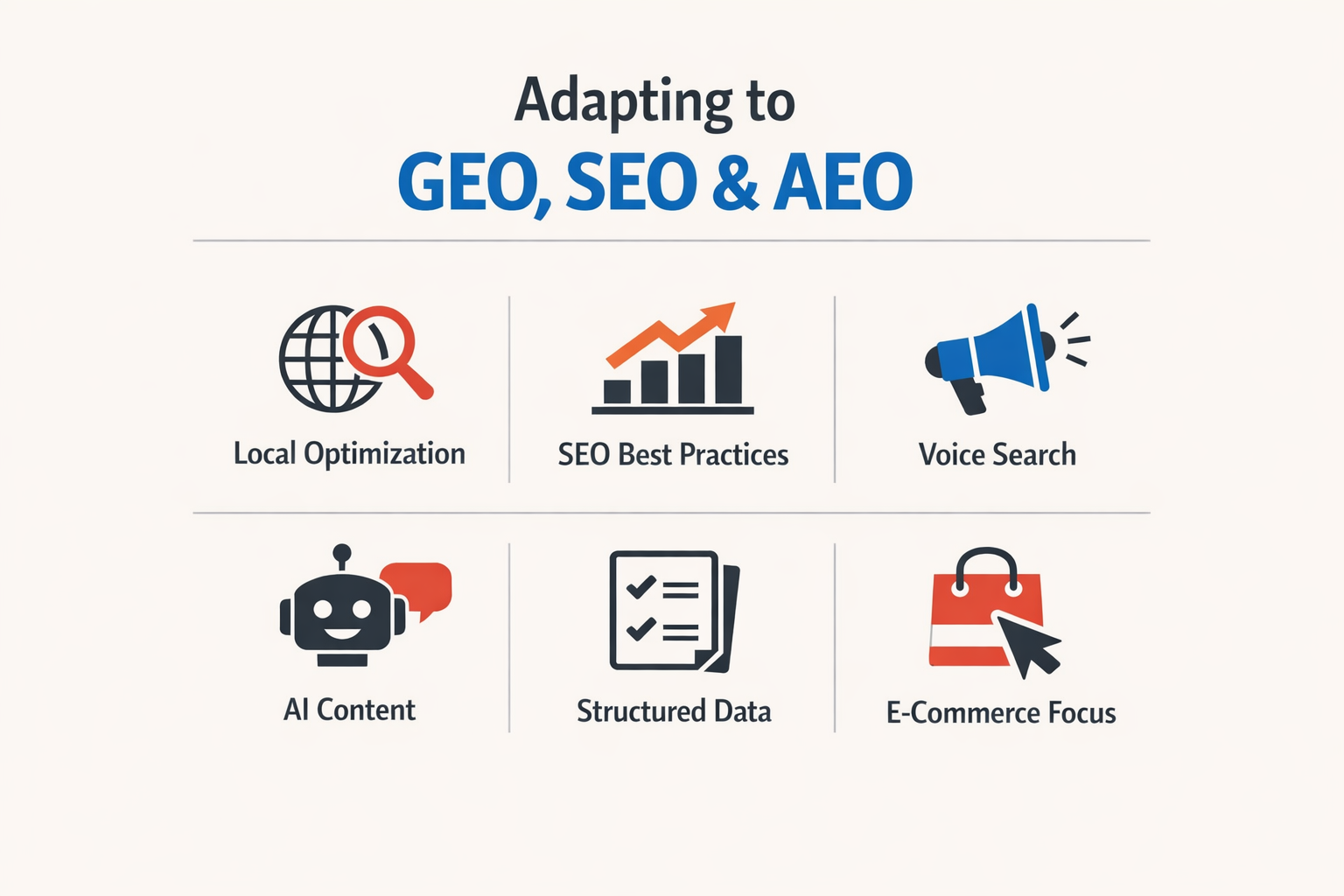
Search teams do not need to rebuild their stack from scratch to adapt to AI-driven features. The core work remains the same: make content crawlable, make it helpful, and ensure it demonstrates expertise. What changes is the discipline required to execute those fundamentals at a level that machines can parse and humans can trust.
Step 1: Audit Your Foundation for Machine Readability
Before optimizing for any specific feature, verify that search engines can access and understand your content. Check that crawling is allowed in robots.txt and that no CDN or server configuration blocks Googlebot. Ensure your preview controls are visible to Googlebot so you can manage how content appears in AI-generated summaries. If a page cannot be indexed or shown with a snippet in standard search results, it will not appear in AI Overviews or AI Mode.
Step 1
Verify crawl access and indexability
Run a site crawl to identify pages blocked by robots.txt, meta robots tags, or server errors. Cross-reference your indexed pages in Search Console against your sitemap. Pages that are not indexed and eligible to show snippets will not surface in AI features.
Step 2
Confirm snippet eligibility
Review your meta robots directives and structured data. Pages using nosnippet or similar restrictions cannot be used as supporting links in AI-generated results. If you need to control what appears, adjust your preview settings rather than blocking snippets entirely.
Step 2: Prioritize Experience, Expertise, Authoritativeness, and Trustworthiness
Search engines prioritize content that demonstrates experience, expertise, authoritativeness, and trustworthiness. This is not a checklist item — it is a content production standard. Content written by practitioners who can cite specific systems, tools, or outcomes will outperform generic overviews. When you publish a guide, ask whether the author has done the work they are describing. If the answer is no, the content will struggle regardless of keyword density or formatting.
Step 3: Design New Sites to Be Search-Friendly from Launch
When planning to launch a new site, ensure it is designed to be search engine-friendly from the bottom up. This means clean URL structures, logical information architecture, and content organized by user intent rather than internal org charts. A site that requires extensive post-launch SEO remediation was not planned correctly. Build the foundation right, and optimization becomes an incremental process rather than a rescue operation.
For guidance on structuring content programs that scale, see our AI Search Engine Optimization: GEO, AEO and Visibility Guide.
Step 4: Align Content Updates to User Intent, Not Freshness Signals
Do not change publication dates to make pages appear fresh when the content has not substantively changed. Do not add or remove large blocks of content solely to signal activity to search engines. Updates should reflect real changes in the topic, new data, or corrections to outdated information. If you are updating a page, document what changed and why — both for your own records and for users who return to the content.
A page updated because the underlying system changed is more valuable than a page updated because the calendar turned.
Step 5: Track Performance and Refine Based on Real Behavior
Clicks from AI-generated search results tend to be higher quality than clicks from standard result pages — users who click after reading a summary are more likely to engage with the destination content. Monitor referral behavior in Google Analytics or your analytics platform of choice. If traffic from AI features converts at a higher rate, that is a signal that your content is answering the query well. If bounce rates are high, the summary may be setting an expectation your page does not meet.
Best Practices for AEO vs SEO Implementation

The practical work of optimizing for modern search comes down to a handful of decisions that affect everything downstream. Most teams already have the skills — what changes is where you apply them and what you stop worrying about.
Build for Search Engines from Day One
When planning a new site or a major redesign, make sure it is designed to be search engine-friendly from the bottom up. This means clean URL structures, logical information architecture, and crawlable content before you write a single piece of copy. Retrofitting search-friendly design after launch costs more and delivers less than building it in from the start.
The same principle applies whether you're optimizing for traditional search results, AI Overviews, or local map packs. The underlying structure matters more than the surface tactics.
Control What Gets Shown in Snippets and AI Features
To limit the information shown from your pages in search results or AI features, use the nosnippet directive in your page metadata. This is especially important for pages with sensitive information, pricing that changes frequently, or content that loses meaning when pulled out of context.
Ensure that the preview control is correct and visible to Googlebot. If Googlebot can't see your directives, they won't be honored. Check your robots.txt file and any CDN or firewall rules that might block crawlers from accessing meta tags or structured data.
Step 1
Audit your snippet controls
Review your most important pages and confirm that nosnippet, max-snippet, or other meta directives are implemented correctly. Use Google Search Console to verify that Googlebot can access and read these tags.
Interview Your SEO Partners Carefully
If you're considering hiring someone to do SEO for your site, ask to see examples of their previous work and check their business references. Ask past clients if they felt the service was useful, easy to work with, and produced measurable results. For more guidance on selecting and evaluating SEO partners for technology companies, focus on vendors who can explain their process in concrete terms and show you the data trail.
The same vetting process applies whether you're hiring for traditional SEO, local optimization, or AI search visibility. The fundamentals of trustworthy consulting don't change.
Conclusion
The distinction between AEO vs SEO matters less than the underlying principle: search teams succeed when they optimize for user intent and business outcomes, not for acronyms. Modern search roles increasingly combine SEO, AI-search visibility, content operations, technical implementation, conversion, analytics, and automation — the boundaries between GEO, SEO, and AEO blur in practice because the work overlaps.
Google's guidance confirms that no special optimization is required for AI features; pages eligible for traditional search results are eligible for AI Overviews. The fundamentals remain constant: crawlable structure, clear content, and alignment with what users actually need. When AI Overviews surface your content, clicks are higher quality — users engage more deeply — but that outcome follows from meeting user intent, not from chasing a new optimization category.
At Xenco Labs, we build operating systems for local service businesses and optimize search programs for technology companies. The question is never whether to focus on GEO vs SEO vs AEO — it is whether your content answers the question a user asked, whether your site is technically sound, and whether the traffic converts. The acronyms describe perspectives on the same work; the work itself does not fragment.
For search teams evaluating where to invest, the answer is straightforward: strengthen technical foundations, align content with intent, and measure outcomes that matter to the business. If you need a framework for integrating these disciplines into a single operating model, AI search engine optimization strategies provide a practical starting point. The tools and surfaces change; the discipline of making your site useful does not.
Frequently asked questions
What is AEO vs SEO?
AEO vs SEO represents the difference between answer engine optimization (AEO) and search engine optimization (SEO). SEO focuses on ranking in traditional search results, while AEO optimizes content to appear in AI-generated answers from tools like ChatGPT, Perplexity, and Google's AI Overviews. In practice, both require the same fundamentals: crawlable structure, helpful content, and machine-readable formatting.
Do I need separate teams for AEO vs SEO?
No. AEO vs SEO describes emphasis areas within a unified search function, not separate disciplines requiring distinct teams or budgets. The core principles overlap: structured content, entity clarity, and semantic relationships work for both traditional search and AI-driven features.
How does GEO differ from AEO vs SEO?
GEO (generative engine optimization) refers to making content more likely to be cited by LLM-based search experiences. The practical difference between GEO and the AEO vs SEO debate is minimal — all three require the same technical foundation, content quality standards, and user intent alignment.
Sources(17)
- Managed Search & Content Intelligence
- Xenco Labs — SEO/GEO Search Function Review
- Google Search Central documentation
- Xenco Labs — Digital Growth Strategy
- Xenco Labs — Services
- Local Service Business OS
- Google Business Profile guidelines
- Google Search Central — Local business (LocalBusiness) structured data
- Google Business Profile guidelines
- Google Search Central documentation
- Google Search Central documentation
- Google Business Profile guidelines
- Google Business Profile Help — Guidelines for representing your business on Google
- managed-search-content (shared_fact)
- managed-search-content (xl_local_os_editorial)
- Supportive Community Outreach, Programs and Engagement (SCOPE)
- google-search-central (source_extract)
Written by
Xenco Labs Editorial
Published October 20, 2026 · 13 min read
The Xenco Labs editorial team writes about building and shipping AI products to production.
You Might Also Like
More from the Xenco Labs blog

Lead Generation for IT Companies: Enterprise Strategies
Learn effective lead generation for IT companies and infrastructure strategies, turning search demand into a strong sales pipeline.

SEO Manager Job Description: In-House vs Agency
Explore in-house SEO vs agency options through the SEO Manager job description, covering key responsibilities and when each approach fits your organization.
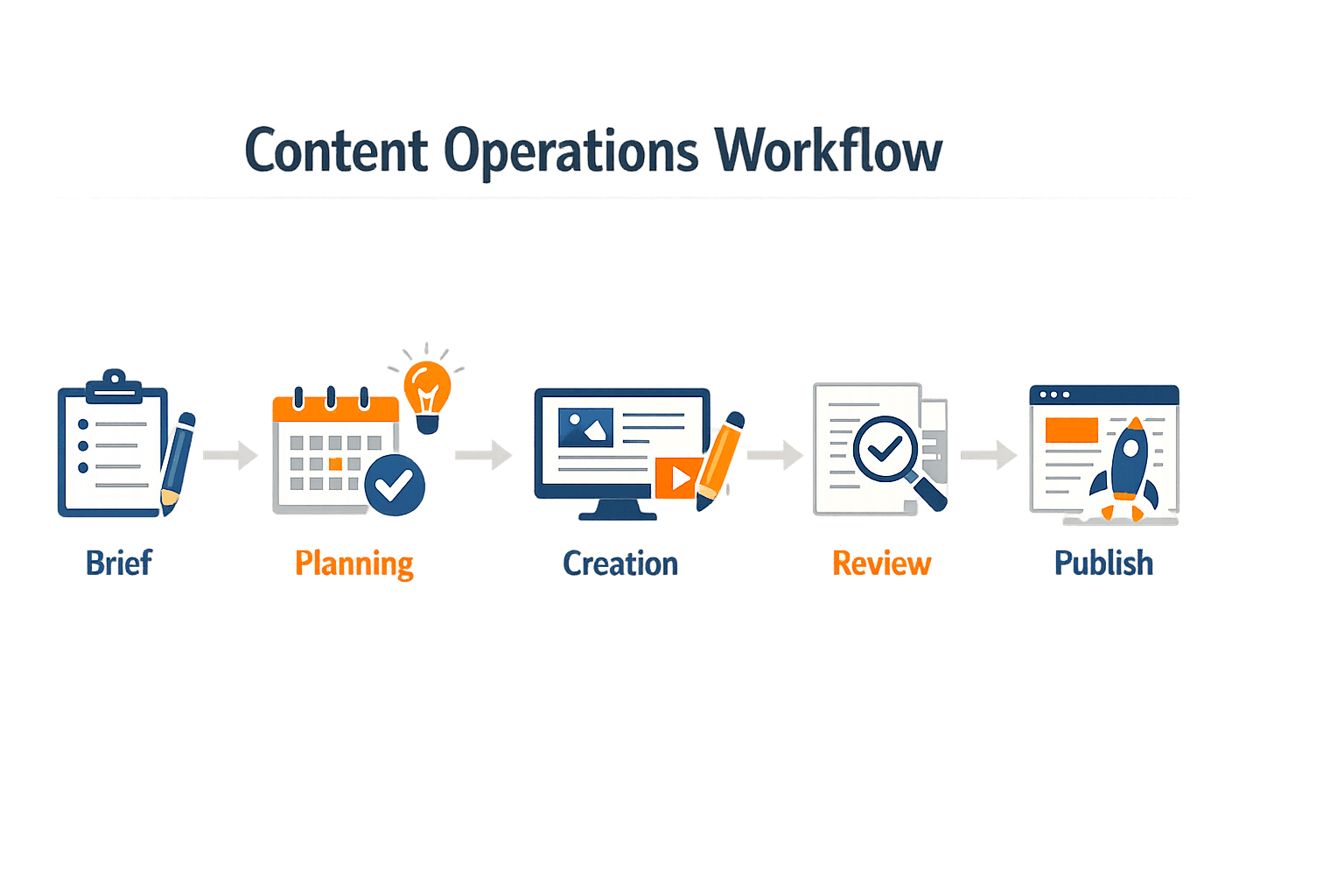
SEO Content Brief to Published Page: Content Operations Workflow
Explore the content operations workflow from seo content brief to published page, ensuring efficiency and quality at every stage.

SEO Reporting KPIs for Executives: Essential Metrics to Review
Explore key SEO reporting KPIs for effective executive reviews, ensuring data-driven decisions and measurable business impact.