
SEO Reporting KPIs for Executives: Essential Metrics to Review
Explore key SEO reporting KPIs for effective executive reviews, ensuring data-driven decisions and measurable business impact.
Introduction
SEO KPIs are essential for executives to connect search visibility to business impact. When we build reporting systems for service businesses, the first question is never about rankings — it's about which metrics predict revenue. Organic SEO is not deemed successful solely based on improved rankings; the true objective is to generate qualified consultations and signed implementations.
Most monthly executive reviews suffer from metric overload. Teams present dozens of data points without clarifying which numbers drive decisions. The Search performance report provides insights into traffic from Google Search, including breakdowns by queries, pages, and countries, but raw traffic counts mean nothing without conversion context. Executives need to see how search behavior translates into pipeline activity.
The solution is a focused set of SEO KPIs that map search performance to business outcomes. This article outlines the specific metrics that belong in executive reviews, the problems with conventional reporting approaches, and best practices for deploying AI web apps that surface actionable insights. When reporting shifts from tracking rankings to tracking qualified engagement, SEO becomes a predictable growth channel rather than a technical mystery.
The Problem with SEO Reporting for Executives
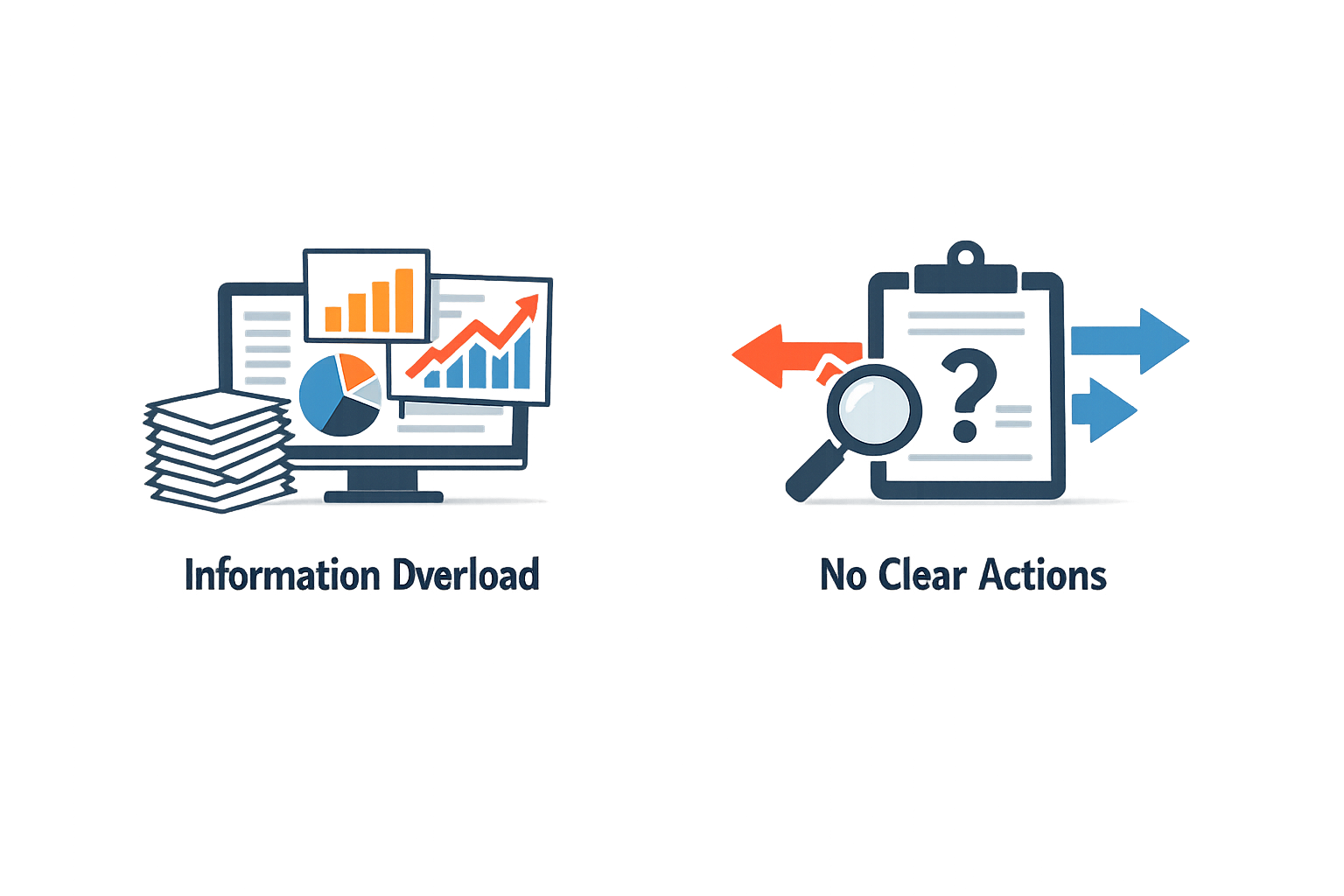
Executives face a recurring challenge with SEO reporting: the disconnect between what the data shows and what they need to decide. Most monthly SEO reports arrive as sprawling spreadsheets filled with metrics that sound important but offer no clear path forward. When a report lists 40 data points without explaining which three matter this quarter, executives either ignore it or make decisions based on incomplete understanding.
The root problem is not the data itself but the lack of filtering. SEO practitioners track hundreds of signals because search visibility depends on technical health, content performance, and competitive positioning simultaneously. What works for daily optimization does not work for executive review. When everything is presented as equally urgent, nothing registers as actionable.
Information Overload Without Business Context
A typical executive SEO report includes organic traffic, keyword rankings, backlink counts, crawl errors, page speed scores, and conversion rates. Each metric has value in isolation, but executives need to know which movements indicate real business impact. A 15% traffic increase means nothing if it came from non-converting keywords. A drop in rankings for branded terms signals a different urgency than a drop for aspirational head terms.
The overload compounds when reports mix diagnostic metrics with outcome metrics. Crawl budget optimization and schema markup deployment are technical necessities, but they do not belong in the same executive summary as customer acquisition cost or revenue per session. Executives need a hierarchy: which metrics indicate whether the channel is healthy, and which metrics show whether it is delivering business results.
Lack of Actionable Insights and Prioritization
Even when reports include the right metrics, they often fail to answer the executive question: what should we do differently next month? A report that shows keyword rankings improved by 12 positions is descriptive, not prescriptive. Without context about competitive movement, search volume trends, or content gaps, the number floats in isolation.
The best SEO report tells executives what changed, why it changed, and which single decision would have the highest impact on next quarter's results.
Prioritization suffers when reports treat all metrics as co-equal. If organic traffic is up but conversion rate is down, which problem gets budget? If technical health scores are declining but branded search volume is climbing, where does the team focus? Executives operate under resource constraints; they need the SEO team to rank initiatives by expected return, not present a buffet of possibilities.
The challenge intensifies when SEO reporting lacks integration with other channels. Executives see paid search, email, and social media reports in the same review cycle. When SEO metrics use different attribution windows, different definitions of conversion, or different time ranges, cross-channel decisions become guesswork. A unified reporting framework that aligns SEO KPIs with broader marketing objectives is the foundation for actionable insights. For teams managing multiple technical initiatives, understanding best practices for deploying AI web apps can inform how reporting systems integrate with broader infrastructure.
What SEO KPIs Should Executives Track?
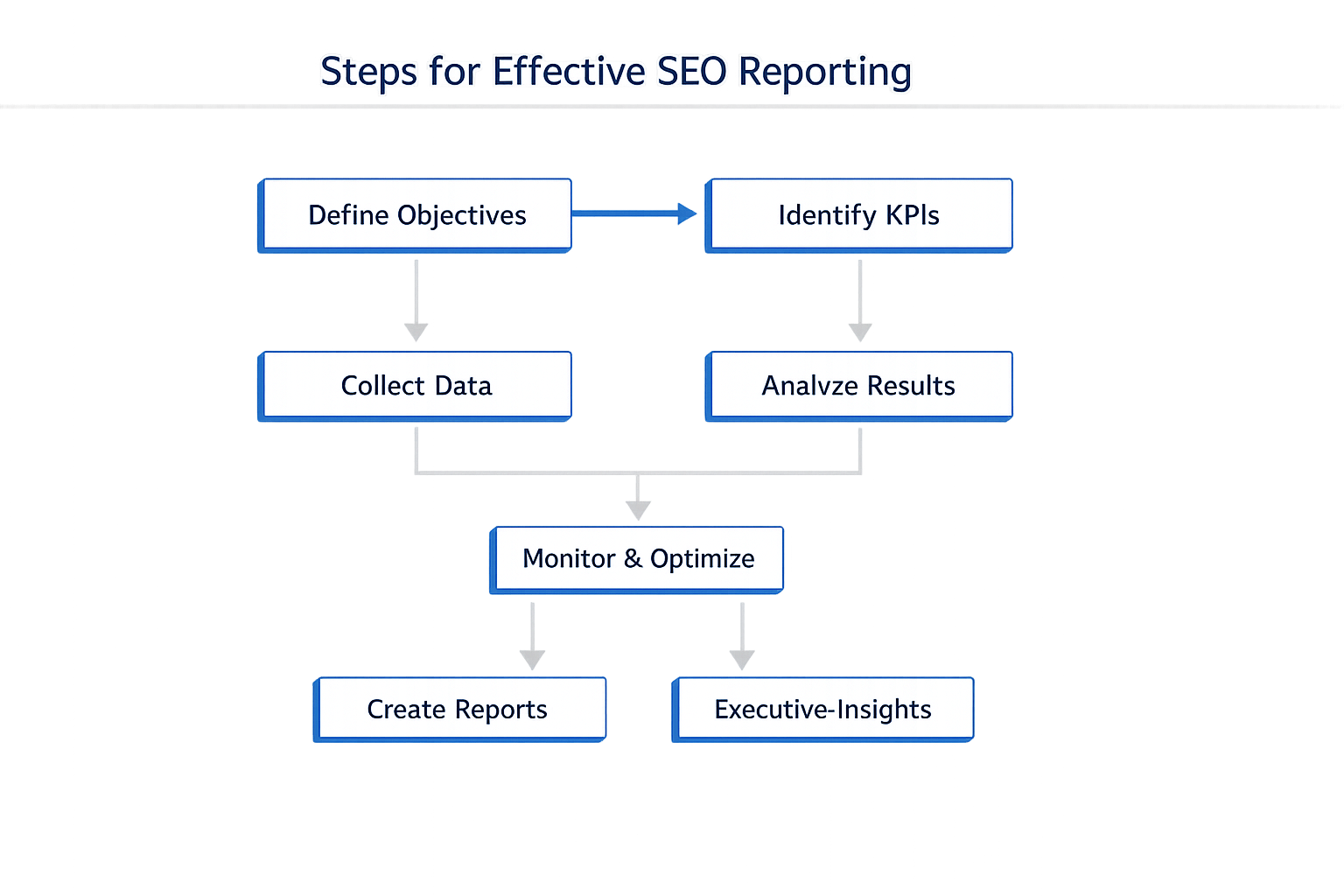
Building an executive-level SEO reporting framework requires deliberate structure. The goal is to present SEO KPIs that connect technical performance to business outcomes, not just surface-level vanity metrics. The framework below walks through the steps for creating reports that executives will actually use to make decisions.
Establish Baseline Metrics and Tracking Infrastructure
Before reporting anything, confirm that your tracking infrastructure captures the metrics that matter. Google Search Console is the foundational tool here — it provides direct visibility into how Google sees your site and how users find it through search.
Step 1
Set up Search Console and verify data accuracy
Ensure Google Search Console is properly configured for all site properties and that data is flowing correctly. The Search performance report provides insights into traffic from Google Search, including breakdowns by queries, pages, and countries. Verify that your sitemap is submitted and that Google can crawl your priority pages without obstruction.
Step 2
Define executive-relevant KPIs
Identify which SEO KPIs directly tie to business objectives. For most organizations, this means organic traffic to high-intent pages, conversion rates from organic search, and revenue attributed to organic channels. Avoid reporting on metrics like keyword rankings in isolation — executives care about the business impact, not the position.
Step 3
Align SEO metrics with business goals
Map each KPI to a specific business outcome. If the company's goal is lead generation, track organic sessions to lead-capture pages and form submissions from organic traffic. If the goal is revenue growth, track organic-attributed transactions and average order value from search traffic. This alignment makes the report immediately relevant to executive priorities.
Build a Consistent Reporting Cadence
Executives need consistency to spot trends and make decisions. A monthly reporting cadence works for most organizations, but the structure matters more than the frequency.
Create a standard report template that includes the same KPIs each month, presented in the same order. Include month-over-month and year-over-year comparisons to provide context. Executives should be able to scan the first page and understand performance without reading every detail.
Integrate SEO Data with Other Marketing Channels
SEO does not exist in a vacuum. Executives evaluate marketing performance holistically, so your SEO report should show how organic search contributes to the broader marketing mix.
Pull data from your analytics platform to show organic search alongside paid search, social, email, and direct traffic. Present organic's share of total traffic and conversions. When organic traffic increases while paid spend decreases, that story matters to budget holders. For teams deploying AI-driven web applications, understanding how technical performance affects discoverability is critical — see best practices for deploying AI web apps for more on aligning infrastructure with search visibility.
Focus on Actionable Insights, Not Just Data
Data without interpretation is noise. Every report should include a brief narrative that explains what changed, why it changed, and what action you recommend.
The best executive reports answer three questions in the first paragraph: what happened, why it matters, and what we should do next.
If organic traffic dropped 15%, explain whether it was due to seasonality, algorithm updates, technical issues, or competitive shifts. If a high-value landing page lost visibility, state the impact on pipeline and outline the recovery plan. Executives need to know what to do with the information, not just what the numbers are.
Automate Routine Reporting Tasks
Manual reporting is slow and error-prone. Use reporting tools that pull data automatically from Search Console, Google Analytics, and your CRM. Set up scheduled reports that deliver the same KPIs on the same schedule.
Automation frees up time for analysis and strategy. Instead of spending hours compiling data, spend that time identifying why performance changed and what to do about it. Executives value insights more than they value perfectly formatted spreadsheets.
Tips and Tricks for Presenting SEO Reports to Executives
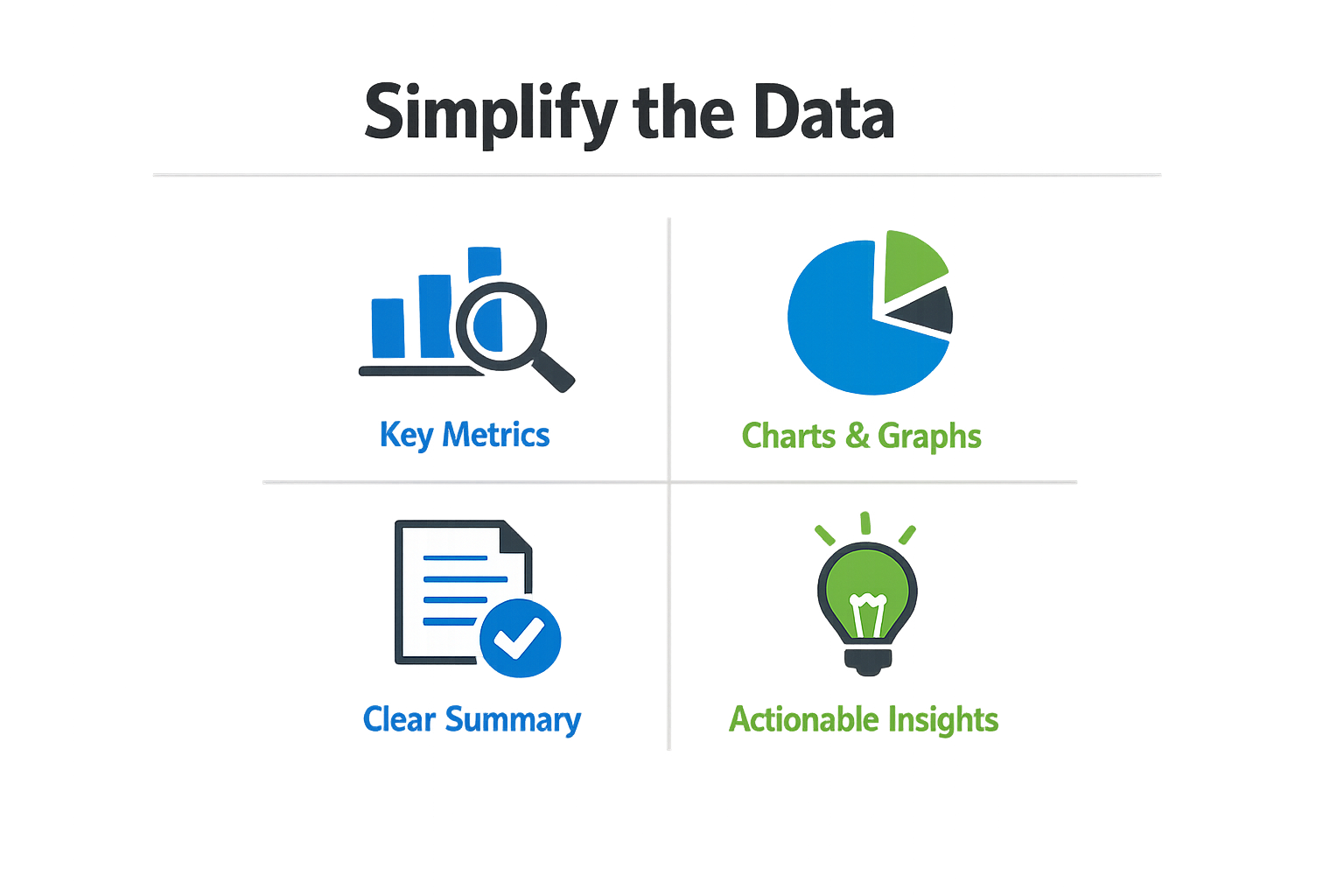
Presenting SEO KPIs to executives requires clarity, context, and a focus on business outcomes rather than technical minutiae. The goal is to make the data accessible and actionable, not to overwhelm stakeholders with metrics they cannot interpret or act upon.
Lead with Business Impact, Not Metrics
Start every report with the outcome that matters most to the business. If organic revenue increased 12% quarter-over-quarter, state that before discussing click-through rates or indexation issues. Executives process information hierarchically — they need the headline before they care about the supporting evidence.
When you present a metric like "impressions up 22%," immediately translate it into business language: "We're visible to 22% more potential customers in search results, positioning us to capture market share from competitors who aren't ranking for these queries." The number alone is noise; the interpretation is signal.
Use Comparative Context for Every Number
A metric without context is just a number. Executives cannot evaluate whether 4,500 organic sessions is good or bad unless you show them what it was last month, last quarter, or what the benchmark is for your industry vertical.
| Metric | This Month | Last Month | Trend |
|---|---|---|---|
| Organic Sessions | 4,500 | 3,800 | +18% |
| Goal Completions | 180 | 145 | +24% |
| Revenue per Session | $42 | $38 | +11% |
Comparisons clarify performance. When you show that goal completions grew faster than traffic, you demonstrate improving conversion efficiency — a narrative executives can act on. Raw numbers invite questions; contextualized trends invite decisions.
Visualize Trends, Not Just Snapshots
Executives process visual information faster than tables. A line chart showing organic traffic trending upward over six months tells a story that a list of monthly totals cannot. Use simple, clean visualizations that highlight direction and magnitude.
Avoid cluttered dashboards with fifteen competing metrics. Instead, create focused views: one chart for traffic trends, one for conversion performance, one for competitive visibility. Each visualization should answer a single question clearly. When you need to show granular detail, use drill-down reports that executives can access if they want more depth, but do not force that detail into the summary view.
Connect SEO Performance to Revenue and Pipeline
The most effective SEO reports tie organic performance directly to revenue or pipeline contribution. If your analytics stack allows it, show how organic traffic converts into leads, opportunities, and closed deals. When you can say "organic search contributed $180K in closed revenue this quarter," you shift the conversation from cost center to revenue driver.
Executives fund what drives measurable business outcomes — if your SEO report looks like a technical audit instead of a revenue report, you are speaking the wrong language.
For teams without full revenue attribution, use proxy metrics that correlate with business value: qualified lead volume, demo requests, high-intent page engagement. The goal is to demonstrate that SEO investment translates into outcomes the business cares about, not just traffic volume.
Highlight Risks and Opportunities with Equal Weight
Executives need to know what could go wrong as much as what is going right. If a core product page lost 30% of its visibility due to a Google algorithm update, flag it immediately with a mitigation plan. If a competitor is outranking you for high-value terms, present that as an opportunity to reclaim market share.
Risk reporting builds credibility. When you proactively identify a technical issue — like a crawl error affecting 15% of your product catalog — and present a fix timeline, you demonstrate operational control. Executives distrust reports that only show wins; they trust teams that surface problems before they become crises.
Use Search Console Data to Ground Your Narrative
Google Search Console provides authoritative data on how your site performs in search results. The Search performance report shows traffic breakdowns by queries, pages, and countries, giving you the raw material to explain why visibility changed. When you cite Search Console data, you are referencing the same source Google uses — it carries more weight than third-party estimates.
Submitting a sitemap to Search Console and monitoring coverage reports ensures you catch indexation issues before they impact traffic. When you tell executives "we identified and resolved a coverage error affecting 200 pages," you are demonstrating proactive site health management, not reactive firefighting.
For teams deploying advanced web applications or AI-driven features, the principles of clear reporting remain the same — whether you are deploying AI web apps or optimizing traditional content, executives need to see business impact, not technical complexity.
Keep the Cadence Predictable and the Format Consistent
Executives value consistency. If your monthly report changes format every time, stakeholders spend cognitive energy reorienting instead of processing the data. Establish a standard template: executive summary, key metrics with context, notable wins, risks and mitigations, next-month priorities. Repeat that structure every cycle.
Predictable cadence also matters. If you commit to monthly reporting, deliver on the same day each month. Reliability signals operational maturity — missed reports or inconsistent timing erode trust faster than a bad month of traffic.
Conclusion
Effective SEO reporting for executives is not about ranking improvements or traffic spikes — it is about demonstrating how organic search contributes to qualified consultations and signed implementations. When the monthly review focuses on revenue-aligned SEO KPIs rather than vanity metrics, executives can make data-driven decisions that allocate budget and resources where they generate the most business impact.
The reporting framework outlined here — from organic revenue attribution to conversion funnel health — gives leadership the visibility they need without overwhelming them with technical detail. When you tie each KPI to a specific business outcome and present it in a format that fits into existing executive review cycles, SEO stops being a mysterious line item and becomes a measurable growth channel.
If your organization is scaling content operations or deploying AI-driven tools to support SEO workflows, the same principle applies — measure what moves the business, not what moves the needle on a dashboard. For teams building or deploying AI-powered web applications to support these initiatives, consider reviewing best practices for deploying AI web apps to ensure your infrastructure supports the data reliability executives expect.
When the executive team understands that organic SEO success is defined by qualified pipeline rather than improved rankings, the monthly review becomes a strategic planning session instead of a status update. That shift — from reporting what happened to deciding what happens next — is the real value of a well-designed SEO KPI framework.
FAQ
What are the most important SEO KPIs for executive reporting?
The most important SEO KPIs for executives are organic revenue, qualified lead volume from search, conversion rate by landing page, organic traffic to high-intent pages, and customer acquisition cost from organic channels. These metrics tie search performance directly to business outcomes rather than vanity metrics like keyword rankings.
How often should executives review SEO KPIs?
Executives should review SEO KPIs monthly to identify trends and make informed decisions. Monthly reviews provide enough data to spot meaningful changes while allowing time for strategic adjustments. Quarterly reviews can supplement monthly reporting for longer-term strategic planning.
What SEO KPIs should be avoided in executive reports?
Avoid reporting isolated keyword rankings, raw impression counts without conversion context, backlink totals without quality assessment, and technical metrics like crawl budget that do not directly impact business outcomes. These metrics matter for SEO practitioners but lack executive relevance without business context.
How do you connect SEO KPIs to revenue?
Connect SEO KPIs to revenue by tracking organic traffic through your conversion funnel, attributing closed deals to organic search touchpoints, calculating revenue per organic session, and comparing customer acquisition cost across channels. Use analytics platforms that link Search Console data to CRM records for complete attribution.
What tools are best for tracking SEO KPIs?
Google Search Console provides foundational search performance data, Google Analytics tracks user behavior and conversions, and CRM platforms like HubSpot or Salesforce enable revenue attribution. Automated reporting tools that integrate these sources reduce manual effort and improve data accuracy for executive reviews.
Related reading
SEO for Technology Companies: Effective Search Strategies
AI Search Engine Optimization: GEO, AEO and Visibility Guide - ai
Written by
Xenophon Giannis
Published October 18, 2026 · 14 min read
Xenophon Giannis is the founder and CEO of Xenco Labs, where he designs, builds, deploys and operates production AI software solo — on his own multi-node cluster, with his own LLM gateway and automation infrastructure. Twenty-five years in enterprise technology came first: a decade at AboveNet, hired as its first sales rep after bankruptcy and promoted until he ran the entire Western Pacific region, then sales leadership at Black Lotus and Nexusguard in DDoS mitigation. He writes about what he actually ships, and what actually breaks in production.
You Might Also Like
More from the Xenco Labs blog

Lead Generation for IT Companies: Enterprise Strategies
Learn effective lead generation for IT companies and infrastructure strategies, turning search demand into a strong sales pipeline.
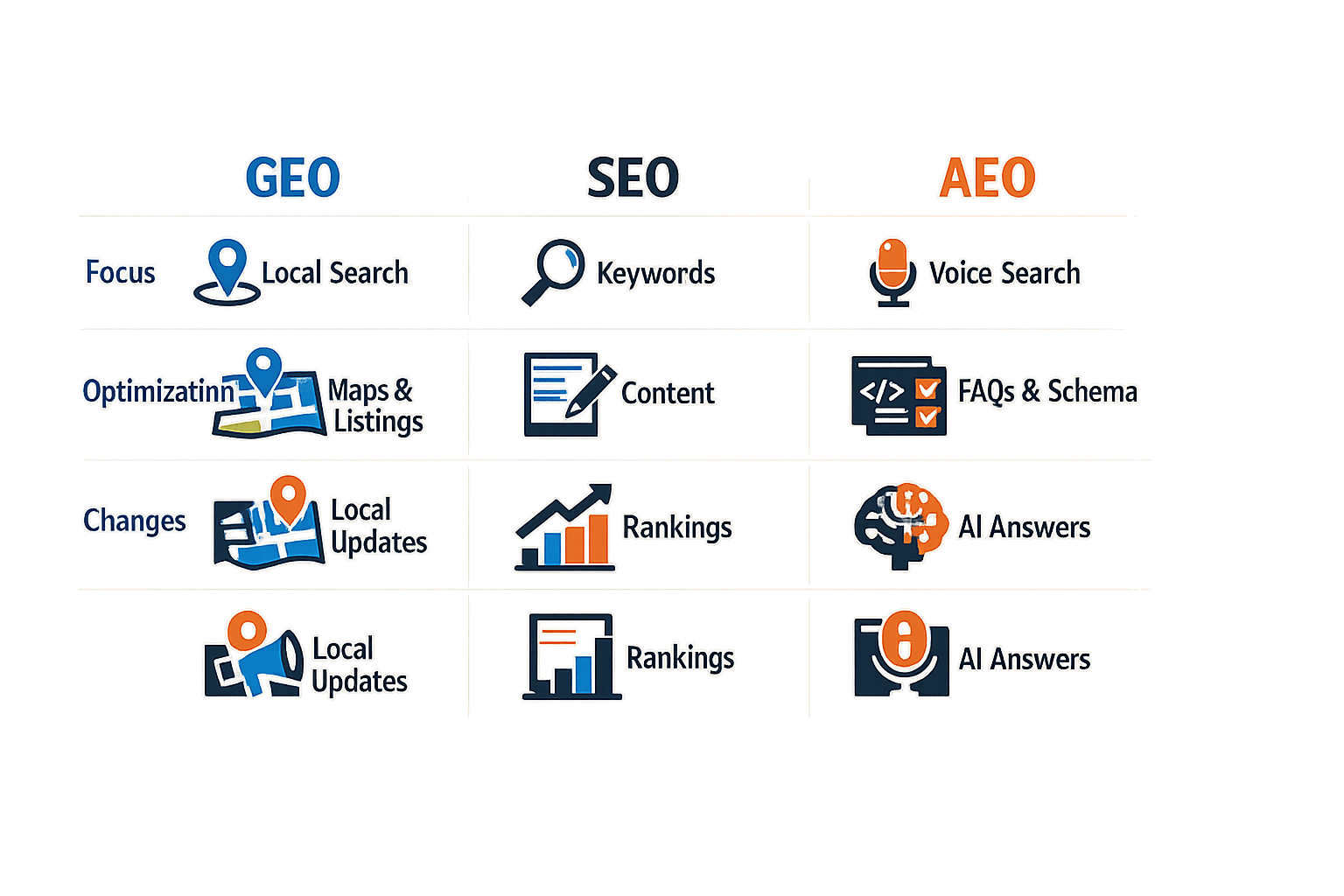
Geo vs SEO: AEO vs SEO: Key Changes for Search Teams (+ GEO Explained)
Explore the differences between AEO vs SEO and GEO, and understand what changes for search teams and what remains the same in modern search optimization. Learn about geo

SEO Manager Job Description: In-House vs Agency
Explore in-house SEO vs agency options through the SEO Manager job description, covering key responsibilities and when each approach fits your organization.
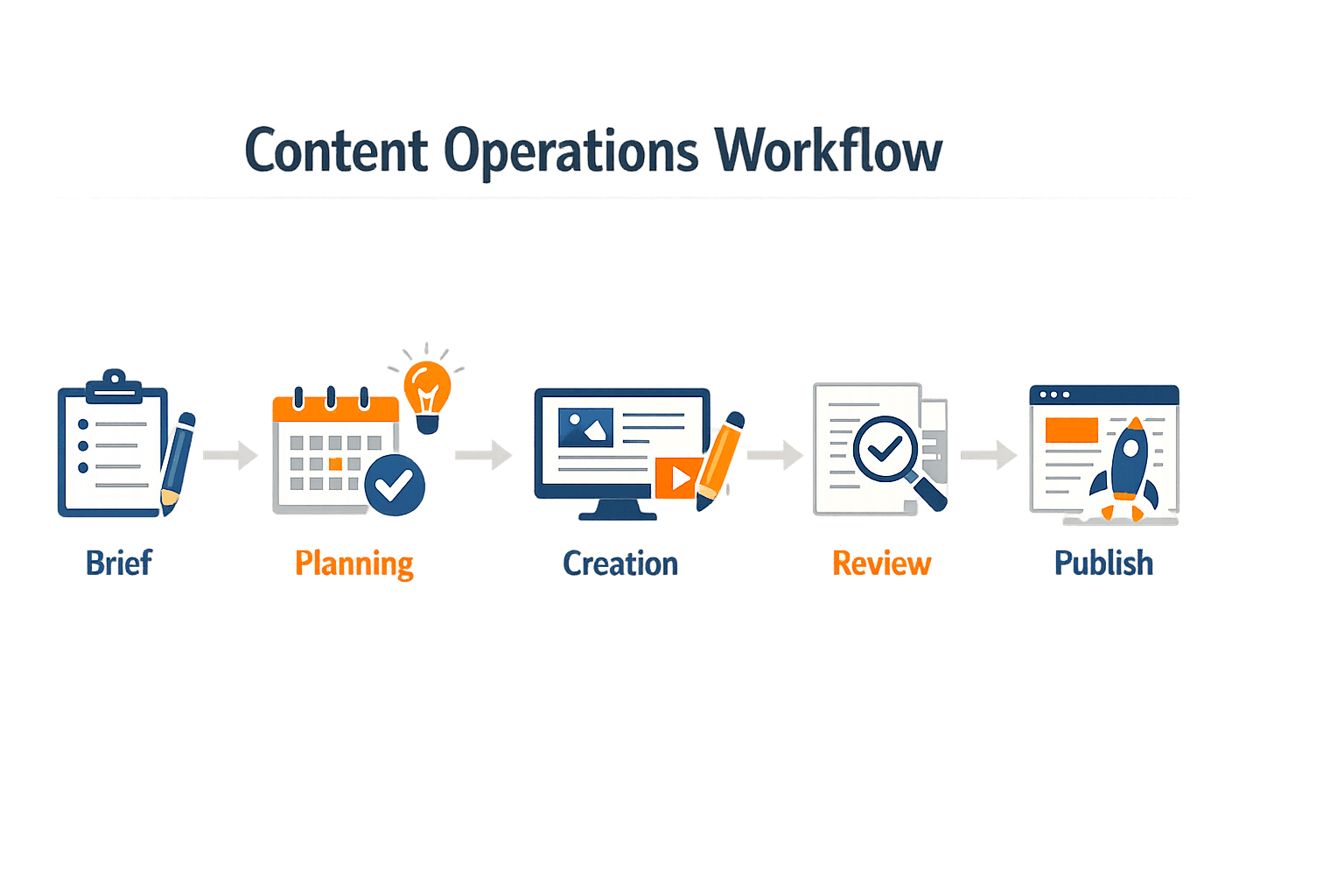
SEO Content Brief to Published Page: Content Operations Workflow
Explore the content operations workflow from seo content brief to published page, ensuring efficiency and quality at every stage.