
What Enterprise Technology Leaders Need to Know in 2024
The role of enterprise technology leaders has never been more complex. Where the job once centered on infrastructure reliability and cost control, today's leaders must simultaneously drive innovation, manage risk,…
Introduction
The role of enterprise technology leaders has never been more complex. Where the job once centered on infrastructure reliability and cost control, today's leaders must simultaneously drive innovation, manage risk, enable business agility, and demonstrate measurable return on technology investments. The pace of change shows no sign of slowing — cloud architectures continue maturing, artificial intelligence moves from pilot to production, security threats grow more sophisticated, and business stakeholders expect technology to deliver competitive advantage, not just operational support.
Yet the real challenge isn't keeping up with every new platform or framework. It's knowing which trends matter for your specific business context, which investments will deliver sustainable value, and how to build technology capabilities that adapt as conditions change. Too many organizations chase shiny objects or adopt technologies because competitors did, only to discover misalignment with their actual needs, culture, or readiness. Strategic technology leadership requires looking past the noise to focus on what genuinely moves the business forward.
In my experience working with enterprise technology teams across industries, the leaders who succeed don't try to master every emerging tool. Instead, they build frameworks for evaluating technology decisions against business outcomes, cultivate teams that can learn and adapt, and maintain the discipline to say no to distractions. They understand that digital transformation for IT leaders isn't about technology adoption — it's about aligning technology strategy with business strategy in ways that create measurable impact.
The strongest technology decisions start with business context, not vendor pitches or feature lists.
This article examines the critical challenges facing enterprise technology leaders in 2024 and offers practical approaches to navigate them. We'll explore how to cut through hype, prioritize investments that matter, build resilient technology organizations, and maintain strategic focus when pressures pull in every direction. The goal isn't to predict the future — it's to build the judgment and frameworks that let you respond effectively regardless of what comes next.
Problem Statement
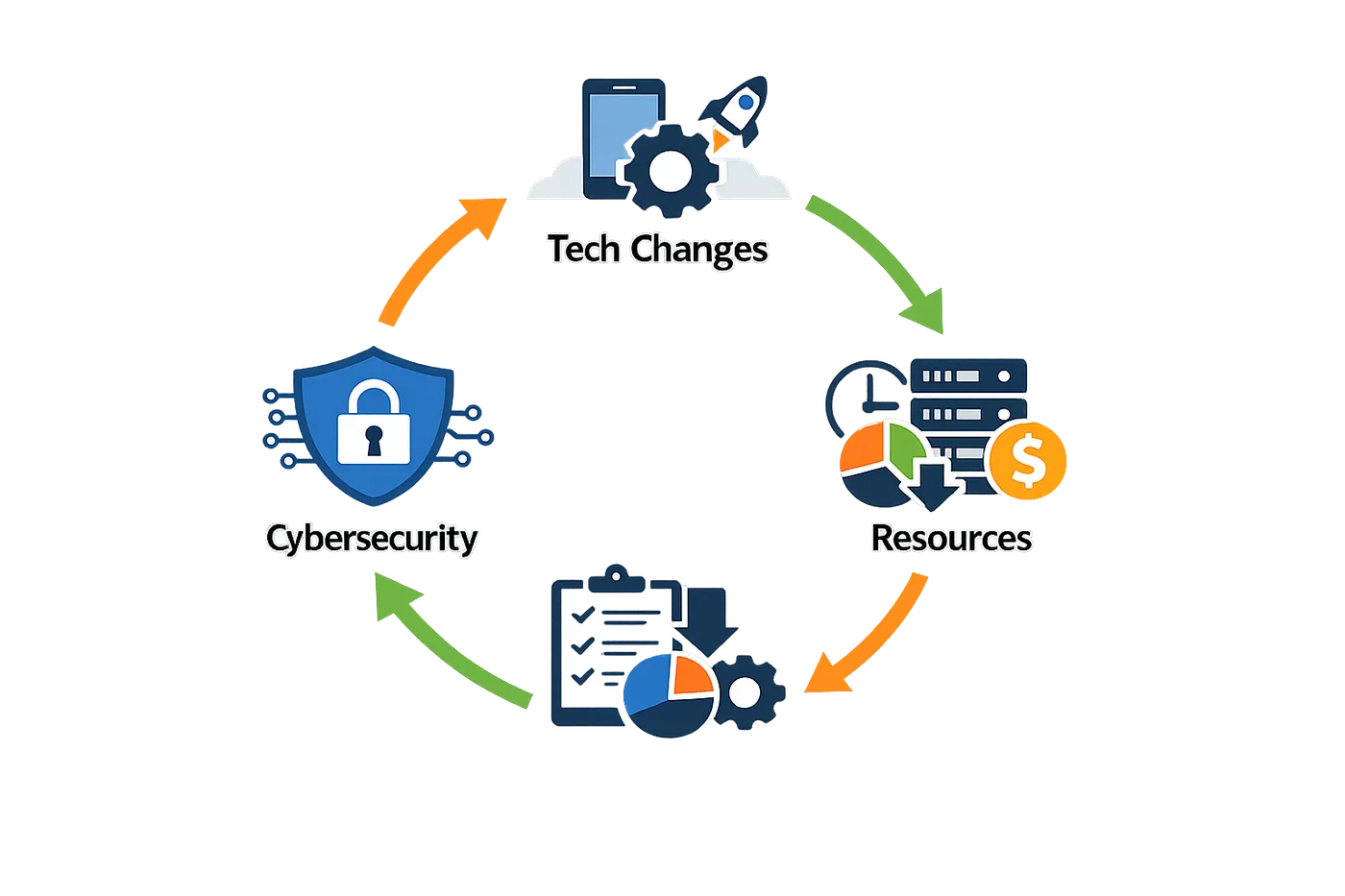
Enterprise technology leaders in 2024 face a landscape defined by competing priorities and accelerating complexity. The pressure to deliver productivity gains, protect margins, and accelerate cash flow has never been higher, yet the tools and strategies required to achieve these outcomes are fragmented across vendors, platforms, and operational silos. Leaders must navigate this terrain without sacrificing visibility, control, or the ability to make real-time decisions that matter.
The Intelligence Gap
Most organizations operate with incomplete visibility into their own technology footprint. Teams deploy tools that solve point problems but fail to integrate into a coherent intelligence layer. Without real-time insights into sales pipelines, performance metrics, and resource allocation, leaders are forced to make strategic decisions on delayed or incomplete data. The result is missed opportunities, misallocated budgets, and operational drift that compounds over quarters.
The Content and Visibility Challenge
Search visibility and AI-search readiness are no longer optional components of enterprise strategy — they are the operating environment. Yet most technology organizations lack the internal systems to produce, validate, and optimize content at the velocity required to maintain relevance. Content engines built on ad-hoc processes cannot deliver the SEO rigor, source quality, and structural consistency that modern search and generative AI platforms demand. Leaders who treat content as a marketing afterthought rather than a strategic operating function fall behind competitors who have installed repeatable, corpus-grounded production systems.
Every content asset must be tested for digital transformation readiness, AI-search extractability, and conversion alignment before it enters the operating queue. Without these gates, content becomes a liability rather than a lever.
The cheapest content strategy is the one that compounds — where each asset strengthens the next, and the intelligence layer feeds back into production priorities.
The Execution and Accountability Problem
Technology leaders are accountable for outcomes, but most lack the operating cadence to translate strategy into repeatable execution. Sales opportunities slip through the cracks because tracking systems are disconnected from field operations. Projects overrun budgets because visibility into actuals versus forecasts arrives too late to course-correct. Payroll, inventory, and accounts payable become friction points rather than enablers because the tools in place were never designed to operate as a unified system.
The gap is not a lack of ambition — it is the absence of an operating function that bridges strategy, tooling, production, quality assurance, and reporting into a single accountable cadence. Leaders who close this gap gain leverage. Those who do not remain trapped in a cycle of reactive firefighting.
Solution Steps
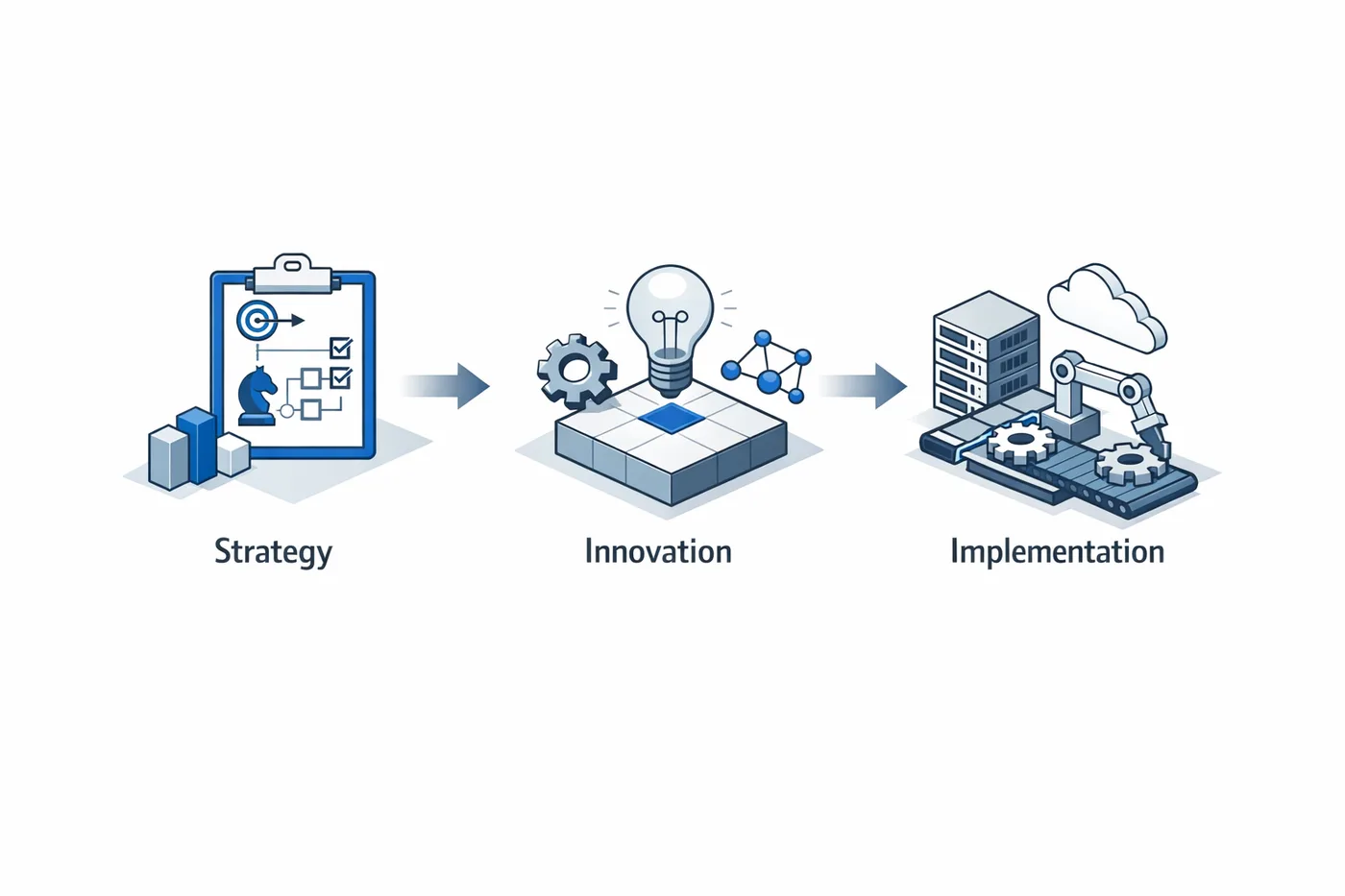
Navigating 2024 requires enterprise technology leaders to move beyond reactive firefighting and build systems that compound value over time. The following steps outline a practical path from baseline assessment to operational maturity.
Step 1: Establish the Intelligence Layer
Step 1
Build your technical baseline
Start by measuring what already exists. Conduct a comprehensive audit of your current infrastructure, application portfolio, and operational workflows. Document where custom applications, agents, and automation tools are already deployed, and identify gaps where manual processes slow execution. This baseline becomes the foundation for prioritizing high-value opportunities and avoiding scattered investments.
The first 30 days should focus on building this intelligence layer: technical baseline, content inventory, search opportunity map, and AI-visibility baseline. Without this clarity, every subsequent decision is a guess.
Step 2: Improve the Existing Asset
Step 2
Optimize what you already own
Days 31–60 are about improving the asset you've built. Refresh high-value systems, fix structural gaps in your technology stack, and improve internal linking between tools and data sources. Launch your first optimization wave by addressing the most visible inefficiencies — the ones that slow decision-making or create friction for end users.
This phase also includes strengthening your infrastructure strategy with insights from direct enterprise-technology operating experience, particularly in data-center management, network architecture, and site selection.
Step 3: Operate the Engine
Step 3
Install the recurring operating cadence
By days 61–90, shift from setup to operation. Launch your ongoing content engine, establish GEO-ready production workflows, and implement an executive reporting cadence that ties activity to outcomes. Create a conversion feedback loop so that rankings, impressions, traffic, and conversions become the input for the next operating queue.
Operating the engine means moving from strategy to execution with built-in validation. Every initiative should be tested for SEO readiness, AI-search compatibility, source quality, structure, and extractability before and after optimization. This discipline ensures that improvements stick and scale.
Step 4: Convert Keywords into Buyer Journeys
Enterprise technology leaders need to think beyond individual tools and start mapping how buyers actually move through decision processes. Convert keywords into comprehensive buyer journeys: pain points, comparison paths, decision pages, pillar clusters, supporting articles, and conversion moments.
This approach aligns your technology investments with the actual paths your internal stakeholders and external customers take when evaluating solutions. It also surfaces gaps where digital transformation for IT leaders can unlock new operational leverage.
Step 5: Leverage Custom Applications and Workflow Automation
Step 5
Build from your production stack
Deploy custom apps, agents, MCP integrations, workflow automation, dashboards, and internal tools built from the same production stack you use for your own operations. This consistency reduces technical debt, accelerates deployment, and ensures that new tools integrate cleanly with existing systems.
The goal is not a burst of activity. It is a function that compounds.
Focus on automation that eliminates repetitive tasks, improves visibility into operations, and supports faster decision-making. MCP integrations and dashboards can significantly improve how teams track performance and respond to emerging issues.
Step 6: Establish Managed Operating Functions
Rather than treating each technology initiative as a standalone project, install managed operating functions across strategy, tooling, production, quality assurance, and reporting. This approach ensures that improvements are sustained, not abandoned after the initial launch.
A managed function operates with clear ownership, recurring cadences, and feedback loops that tie execution back to business outcomes. It's the difference between deploying a tool and embedding a capability.
Tips and Tricks
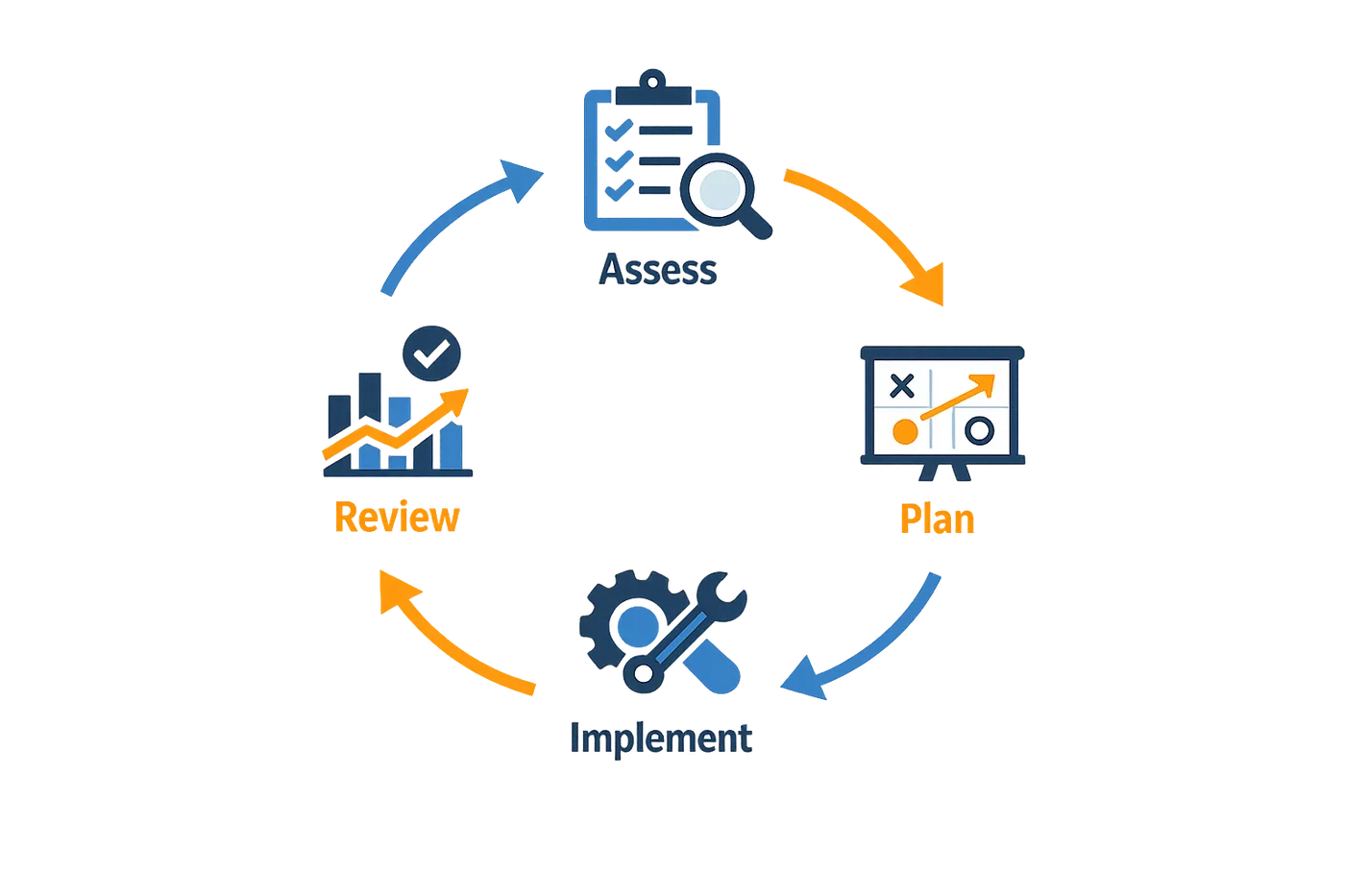
Enterprise technology leaders face constant pressure to deliver results while managing complexity. The difference between reactive firefighting and strategic execution often comes down to a few operating disciplines that separate high-performing technology organizations from the rest.
Focus on Tools That Accelerate Cash Flow
Not all technology investments deliver the same business impact. Prioritize tools that enhance productivity, improve profit margins, and accelerate speed to cash. When evaluating platforms, ask whether they shorten the path from opportunity to revenue — systems that streamline estimating, contracting, field execution, and payment in a single journey create compounding value across the organization.
Build Intelligence Before You Build Content
Many technology leaders launch content initiatives without establishing the intelligence layer first. The most effective approach starts with a technical baseline, content inventory, and search opportunity map before producing a single asset. This foundation allows you to prioritize high-value opportunities and measure what already exists rather than guessing at what might work.
Every content page should be tested for SEO, AI-search readiness, and source quality to ensure optimal performance and visibility. Testing before and after optimization creates a feedback loop that improves each successive wave of content.
Step 1
Establish your baseline
Map your current technical footprint, catalog existing content assets, and identify the highest-value search opportunities before allocating production resources.
Step 2
Improve what exists
Refresh high-value pages, fix structural gaps, and strengthen internal linking before creating new content — optimization often delivers faster ROI than net-new production.
Step 3
Operate the engine
Install recurring operating cadence for content production, quality gates, and performance reporting so the function compounds rather than requiring constant re-starts.
Choose Integrated Solutions Over Point Products
Enterprise technology leaders should consider integrated solutions that encompass various functions such as local search, content management, and payment processing to streamline operations. Point solutions create integration debt; platforms that handle multiple functions in one journey reduce friction for your team and your customers.
Real-time insights into the sales pipeline and individual performance metrics are crucial for effective management. Systems that surface these insights without manual reporting free your team to act on the data rather than compile it.
For teams managing project coordination and resource allocation, look for platforms that visualize progress in real time and automatically capture field data rather than requiring manual updates.
The cheapest platform is the one your team actually uses — adoption beats features when you're measuring business impact.
Protect Decision Authority While Delegating Execution
One of the most valuable operating principles: keep judgment and approval in-house while delegating implementation to specialists. Technology leaders who try to own every layer of execution create bottlenecks; those who delegate everything lose control of quality and strategic direction. The balance is maintaining decision authority over what gets built and how it's measured while partnering with experts who handle the recurring production and optimization work.
This approach works across content systems, platform implementations, and service operations — you define the strategy, approve the output, and let specialists manage the operating cadence in between.
Conclusion
Enterprise technology leaders in 2024 face a landscape where visibility, buyer intent, and operational velocity matter more than ever. The challenges outlined in this article—fragmented search strategies, disconnected content systems, and the gap between technical capability and measurable business outcomes—aren't abstract problems. They're the friction points that separate organizations that scale from those that stall.
The solution isn't more tools or more content. It's a coherent operating system that converts search intelligence into buyer journeys, maps those journeys to conversion paths, and operates with the cadence and validation gates that turn content into a compounding asset. Enterprise technology leaders who establish this foundation don't just improve rankings—they build the infrastructure that connects visibility to pipeline and makes every content investment defensible.
The goal is not a burst of activity. It is a function that compounds.
As you refine your approach to digital transformation for IT leaders, remember that the operating model matters as much as the technology stack. One hire gives you capacity. A managed function gives you the system—strategy, tooling, production, validation, and reporting operating together with accountability at every gate.
The next 90 days are your opportunity to establish the intelligence layer, improve the existing asset, and operate the engine. Start with what you can measure, prioritize the highest-value opportunities, and install the recurring cadence that makes search and content a predictable growth lever rather than a periodic project.
Explore essential insights and strategies for Enterprise Technology Leaders in 2024 to navigate emerging trends and challenges.
Table of Contents
- Introduction — Introduce the importance of staying informed about emerging trends and technologies.
- Problem Statement — Identify the challenges faced by enterprise technology leaders in 2024.
- Solution Steps — Outline actionable steps for enterprise technology leaders to adapt and thrive in 2024.
- Tips and Tricks — Provide practical tips and best practices for enterprise technology leaders.
- Conclusion — Summarize key takeaways and encourage proactive engagement with technology trends.
- Table of Contents
Written by
Xenophon Giannis
Published November 14, 2026 · 12 min read
Xenophon Giannis is the founder and CEO of Xenco Labs, where he designs, builds, deploys and operates production AI software solo — on his own multi-node cluster, with his own LLM gateway and automation infrastructure. Twenty-five years in enterprise technology came first: a decade at AboveNet, hired as its first sales rep after bankruptcy and promoted until he ran the entire Western Pacific region, then sales leadership at Black Lotus and Nexusguard in DDoS mitigation. He writes about what he actually ships, and what actually breaks in production.
You Might Also Like
More from the Xenco Labs blog

Lead Generation for IT Companies: Enterprise Strategies
Learn effective lead generation for IT companies and infrastructure strategies, turning search demand into a strong sales pipeline.
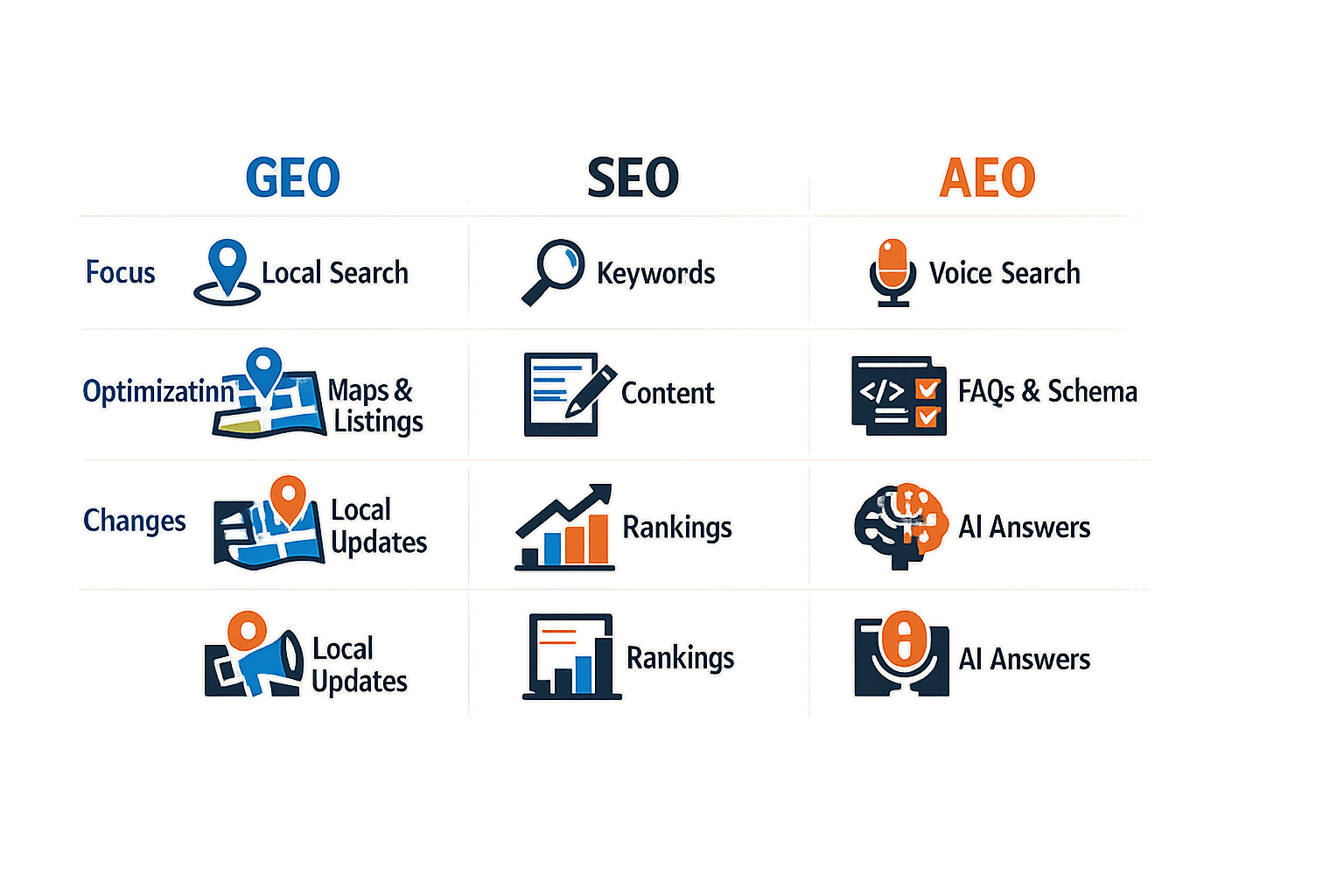
Geo vs SEO: AEO vs SEO: Key Changes for Search Teams (+ GEO Explained)
Explore the differences between AEO vs SEO and GEO, and understand what changes for search teams and what remains the same in modern search optimization. Learn about geo

SEO Manager Job Description: In-House vs Agency
Explore in-house SEO vs agency options through the SEO Manager job description, covering key responsibilities and when each approach fits your organization.
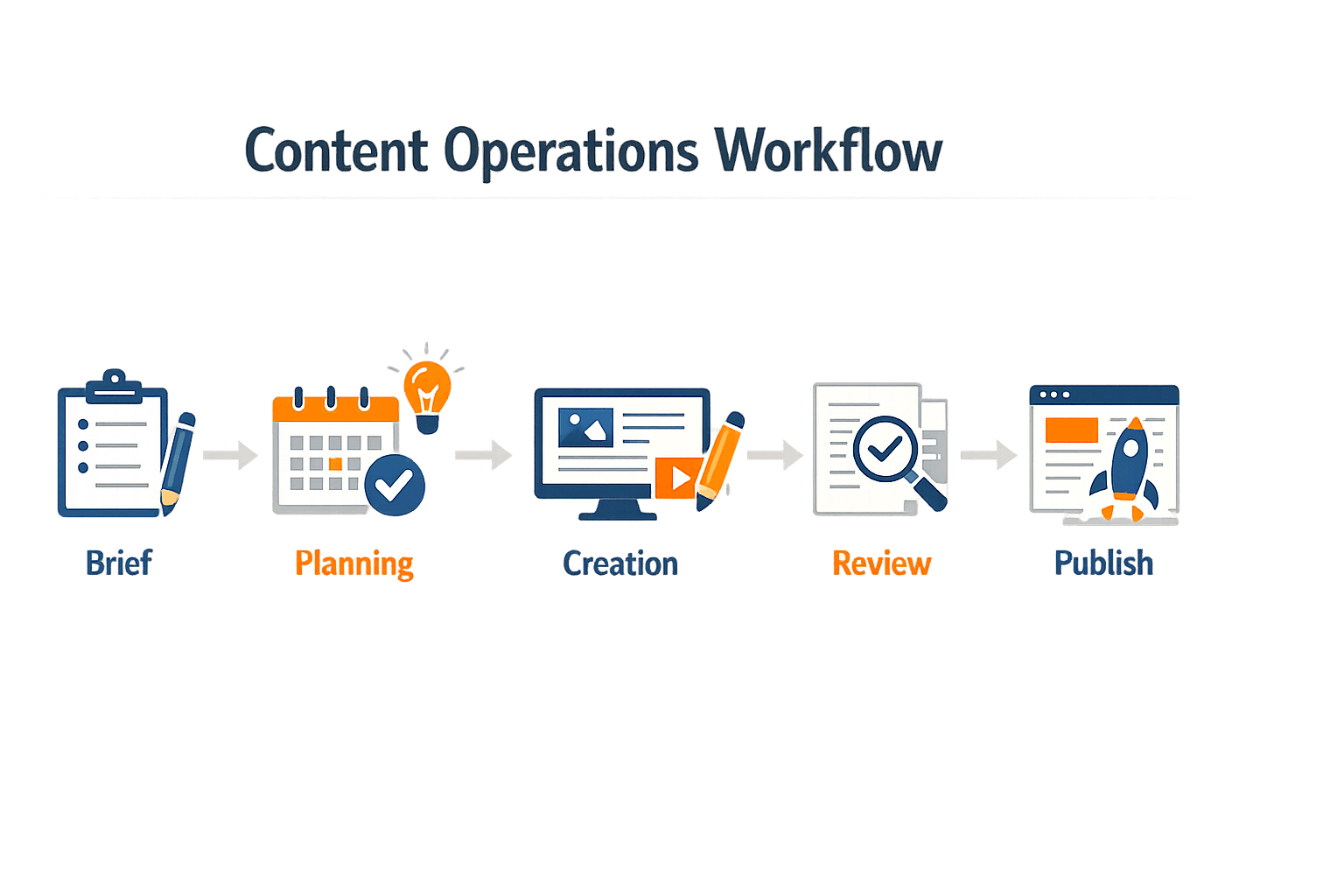
SEO Content Brief to Published Page: Content Operations Workflow
Explore the content operations workflow from seo content brief to published page, ensuring efficiency and quality at every stage.