
SEO Forecasting: SEO KPIs & Forecasting: Build a Search Forecast
Learn how to create reliable SEO forecasting using SEO KPIs that leadership can trust, ensuring your strategies align with business goals.
Introduction
Most SEO forecasts fail because they predict the wrong outcomes. A forecast that promises page-one rankings for fifty keywords tells leadership nothing about revenue, pipeline, or customer acquisition cost. The disconnect is structural: SEO teams often track visibility metrics while executives need to see how search translates into business results.
The modern SEO function now encompasses technical search, keyword intelligence, content strategy, programmatic opportunities, AI-search readiness, conversion optimization, analytics, publishing operations, and team enablement. That breadth makes forecasting harder — and more essential. When leadership asks what six months of SEO investment will deliver, the answer cannot be "more traffic." It must tie directly to the outcomes the business measures: qualified consultations, signed contracts, reduced acquisition cost, or expanded market share in a specific vertical.
Building a forecast leadership will trust starts with choosing the right SEO KPIs. Rankings and impressions matter as leading indicators, but the forecast itself must model how those indicators convert into business outcomes. That means working backward from revenue or pipeline targets, identifying the conversion rates and traffic thresholds required to hit them, then mapping those thresholds to realistic search-performance improvements. When you can show the CFO that a 40% increase in qualified organic sessions — based on historical conversion data and competitive keyword gaps — translates into twelve additional signed deals per quarter, the forecast becomes a planning tool rather than a guess.
The stakes are higher now. AI-powered search, zero-click results, and shifting SERP layouts mean historical click-through rates no longer hold. A trustworthy forecast accounts for these variables by stress-testing assumptions, modeling conservative and aggressive scenarios, and updating projections as real data arrives. Leadership does not expect clairvoyance — they expect a methodology they can audit and a team willing to revise the model when the market shifts. For teams looking to integrate best practices for deploying AI web apps into their SEO operations, that same principle applies: transparent assumptions, measurable outcomes, and continuous calibration.
This guide walks through the structural problems that make SEO forecasts untrustworthy, then lays out a step-by-step process for building forecasts grounded in real conversion data and realistic search dynamics. The goal is a forecast you can defend in a board meeting — one that ties every projected session, lead, and deal back to a named assumption and a verifiable baseline.
Understanding the Problem of SEO Forecasting
SEO forecasting fails when it measures the wrong outcomes. Most forecasts predict ranking improvements or traffic increases, then hand those numbers to leadership as if they represent business value. They do not. A forecast that promises page-one rankings for twenty keywords tells an executive nothing about revenue, pipeline, or whether the SEO budget justifies itself. Leadership distrusts these forecasts because they have seen rankings climb while qualified leads stay flat.
The gap between SEO metrics and business outcomes creates a credibility problem. When a forecast ties success to organic sessions or keyword positions, it decouples SEO performance from what the organization actually needs: customer acquisition, contract signings, or consultation bookings. Executives remember the quarter when traffic doubled but sales stayed unchanged. They remember being told that SEO was working while the sales team reported no uptick in qualified inbound. That memory makes every subsequent forecast suspect.
Forecasts also fail when they ignore the lag between search visibility and business impact. A keyword that ranks in month three may not generate a qualified lead until month five, and that lead may not close until month eight. Most SEO forecasts present a linear projection: traffic goes up, therefore results go up. Real attribution is messier. When the forecast does not account for conversion lag, sales cycle length, or lead qualification rates, leadership sees a model that does not match their operational reality.
Why Leadership Questions the Numbers
Leadership distrusts SEO forecasts because the inputs are often opaque and the assumptions are rarely stress-tested. A forecast built on historical click-through rates assumes that user behavior, SERP features, and competitive dynamics will remain static. They will not. When a forecast fails to disclose its assumptions or provide a confidence interval, it reads like a guess dressed up as a projection. Executives who have seen multiple forecast revisions learn to treat the first number as fiction.
Another trust issue: SEO KPIs that do not tie to the financial model. If the forecast predicts 10,000 additional sessions but does not translate that into expected leads, cost per acquisition, or customer lifetime value, the executive has no way to compare SEO to other channels. A paid search manager can show cost per lead and conversion rate by campaign. If the SEO forecast cannot match that specificity, it loses the budget conversation before it starts.
The forecast that survives executive scrutiny is the one that speaks in leads and revenue, not rankings and impressions.
Finally, leadership questions forecasts that do not account for external dependencies. SEO performance depends on development cycles, content production timelines, and sometimes legal or compliance review. A forecast that assumes instant implementation ignores the realities of cross-functional work. When the forecast says rankings will improve in Q2 but the required technical changes are still in the dev backlog in Q3, the model breaks and the credibility does not recover.
Building a forecast that leadership trusts requires anchoring SEO KPIs to business outcomes, documenting assumptions, and accounting for operational constraints. The next section outlines how to construct that kind of forecast.
Steps to Build Trustworthy SEO Forecasts
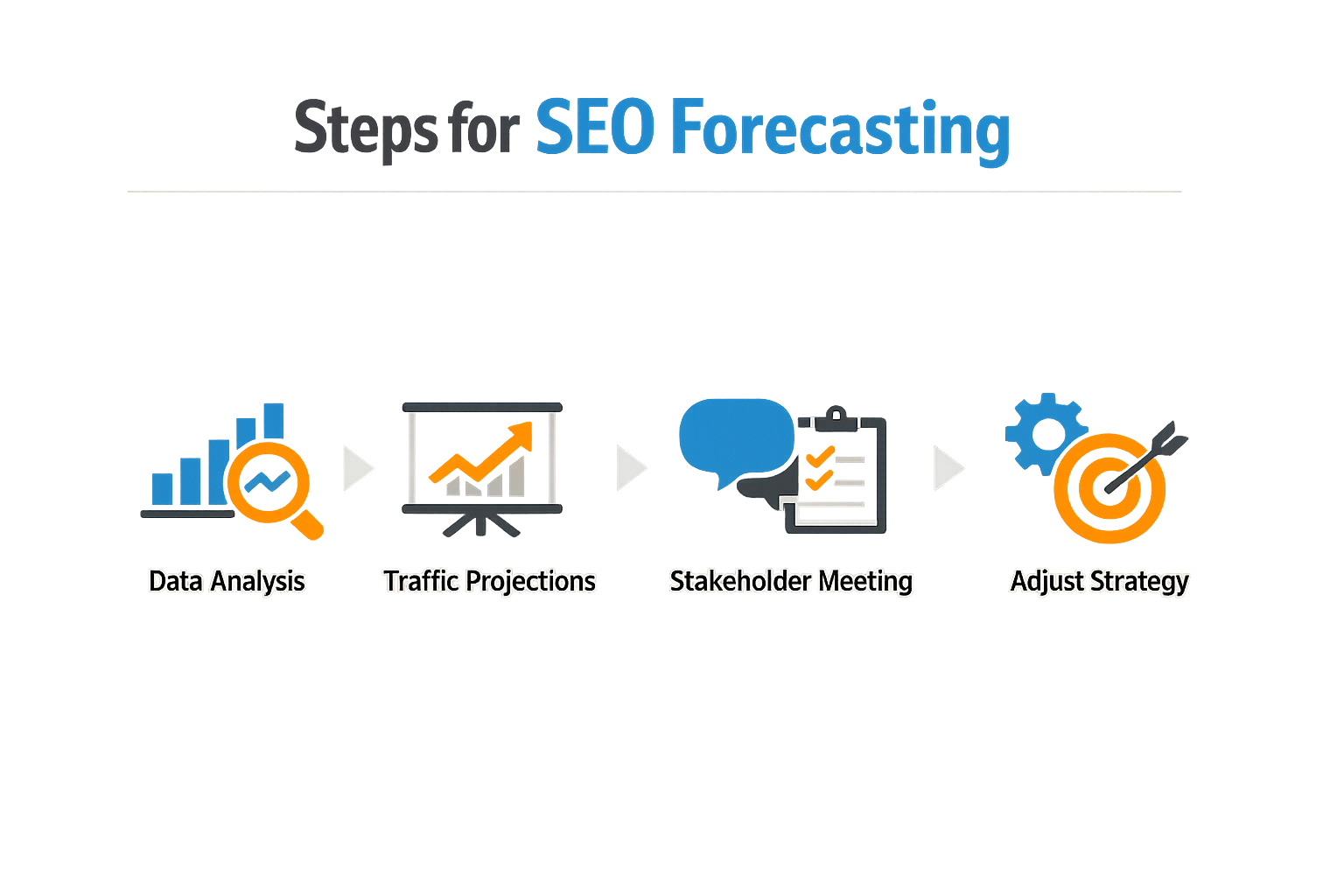
Building a forecast that leadership will actually use requires a process anchored in verifiable data and transparent assumptions. The following steps translate raw search metrics into projections that can survive executive scrutiny.
Establish Baseline SEO KPIs From Historical Data
Start by pulling at least twelve months of historical performance data from Google Search Console and your analytics platform. Track organic sessions, impressions, clicks, average position, and conversion events tied to revenue or qualified leads. Leadership trusts trends more than snapshots — a year of data shows seasonality, algorithm impacts, and the lag between technical changes and traffic shifts.
Segment your baseline by page type, product category, or service line so forecasts map to business units leadership already tracks. A single site-wide number hides which parts of the business are growing and which are stalling. When you can say "service pages grew 18% while blog traffic declined 6%," you give stakeholders a handle they recognize.
Step 1
Anchor your forecast in documented KPIs
Define which SEO KPIs matter to the business — typically organic revenue, qualified leads from search, or engagement metrics tied to customer acquisition cost. Document the current values, the measurement method, and the reporting cadence. Leadership will ask how you measured it; have the answer ready before the meeting.
Model Traffic Scenarios Using Conservative Assumptions
Build three forecast scenarios: conservative, expected, and optimistic. The conservative case assumes slower ranking gains, partial technical-fix adoption, and content that takes longer to index. The expected case reflects what you believe will happen if execution stays on plan. The optimistic case accounts for compounding effects — when one ranking lift pulls adjacent pages up with it.
Document every assumption in writing. If you assume a 15% click-through-rate improvement from title-tag optimization, cite the test data or industry benchmark that supports it. If a forecast depends on publishing 40 articles in Q2, state that dependency explicitly. When reality diverges from the plan, leadership needs to see which assumption broke and why.
Tie Forecast Inputs to Controllable Activities
Every line in your forecast should connect to a task someone can execute. If you project a 25% increase in impressions, specify the keyword clusters you will target, the number of pages you will optimize, and the technical fixes required to make those pages eligible. Forecasts built on "we will rank better" fail because no one can action that statement.
Break large initiatives into monthly milestones with measurable outputs. Instead of "improve site speed," write "reduce Largest Contentful Paint to under 2.5 seconds on the top 50 landing pages by end of Q1." When you report progress, you can show completion percentage and correlate it to the traffic change. For organizations exploring broader digital initiatives, understanding best practices for deploying AI web apps can inform how technical improvements integrate with search strategy.
Step 2
Map forecast growth to execution milestones
Create a dependency table that lists each forecasted lift, the activities required to achieve it, the owner, and the deadline. If the content team misses a publishing deadline, you can immediately recalculate the impact on the quarter's forecast.
Validate Assumptions Against Competitive and Market Data
Compare your forecast assumptions to what competitors are doing and how search demand is shifting. If you are forecasting 30% growth in a category where total search volume is flat and competitors are increasing content output, your assumptions need a second look. Use keyword research tools to confirm that the queries you are targeting have sufficient volume and that the SERP landscape allows for rank movement.
Test a small sample before committing to the full forecast. Optimize ten pages, measure the result over 60 days, then extrapolate. If the pilot underperforms, adjust your assumptions before presenting the annual plan. Small-scale validation catches flawed models early, when the cost of revising them is low.
| Validation method | When to use | Confidence level |
|---|---|---|
| Historical lift from similar pages | Forecasting on-page optimization impact | High |
| Competitor keyword gap analysis | Estimating achievable rank gains | Medium |
| Pilot test on sample pages | Validating new content formats or technical changes | High |
| Industry benchmark data | Sanity-checking CTR or conversion assumptions | Low to medium |
Build a Reporting Cadence That Tracks Forecast vs. Actual
Establish a monthly reporting rhythm that compares forecasted SEO KPIs to actual performance. When actuals exceed the forecast, document what drove the outperformance so you can refine future models. When actuals fall short, explain which assumption broke — market conditions, execution delays, or an incorrect model input.
Leadership stops trusting forecasts when variances go unexplained. A two-sentence explanation in the monthly report — "June traffic missed forecast by 8% because the product-page migration was delayed two weeks, shifting the ranking lift into July" — preserves credibility. Silence or vague language destroys it.
The forecast you defend with data earns more trust than the forecast that hits the number by luck.
Transparent reporting also creates a feedback loop that improves your models. After six months of comparing forecast to actual, patterns emerge: technical fixes take longer than estimated, content performs better in certain categories, seasonality is stronger than the baseline suggested. Feed those insights back into the next forecast cycle.
Tips and Tricks for Effective SEO Forecasting
Building a forecast is one thing. Building one that survives the first budget meeting is another. The difference lies in a few critical habits that separate forecasts leadership dismisses from forecasts they fund.
Anchor Every Forecast to SEO KPIs Leadership Already Tracks
Your forecast gains credibility when it speaks the language of the metrics your CFO and CEO already review. If leadership measures revenue per channel, conversion rate, or customer acquisition cost, your forecast must show how organic search moves those numbers — not just impressions or rankings.
Start with the metrics your stakeholders trust, then work backward to the SEO KPIs that drive them. When your forecast shows how a 25% improvement in organic click-through rate translates to 180 additional qualified leads per quarter, you are speaking their language.
Build Conservatively, Then Show the Upside Scenario
The fastest way to lose credibility is to miss your forecast high. Leadership remembers optimistic projections that fell short far longer than they remember conservative forecasts that exceeded expectations.
Present a baseline forecast built on conservative assumptions: stable click-through rates, modest ranking improvements, no algorithm windfalls. Then add a separate upside scenario that shows what happens if your content performs in the top quartile or if a competitor drops out of the SERP. Label it clearly as upside, not the plan.
The forecast leadership funds is the one they believe you will hit, not the one that makes the biggest promise.
This approach gives you room to overdeliver while protecting your reputation if external factors — an algorithm update, a market shift, a budget cut — compress your results.
Refresh Your Forecast Monthly, Not Quarterly
SEO KPIs move faster than most finance cycles. A forecast built in January using December data is already stale by March. Monthly refreshes let you adjust for algorithm changes, seasonal shifts, and early performance signals before they compound into large variances.
Each refresh should compare actual performance to forecast, isolate the variance, and update the remaining quarters with the new baseline. If your Q1 organic traffic came in 12% above forecast because of stronger-than-expected click-through rates, adjust Q2–Q4 upward and document the driver. Leadership trusts forecasts that learn.
Separate Controllable Variables from External Factors
Your forecast should distinguish between the variables you control — content velocity, technical optimization, internal linking — and the variables you do not, such as algorithm updates or competitor behavior. When you present the forecast, make it clear which assumptions depend on your execution and which depend on the market.
If an algorithm update or a competitor's site migration changes the landscape mid-year, you can point to the external factor without undermining confidence in your process. Leadership does not expect you to predict Google's next core update, but they do expect you to adjust quickly when it happens.
Use Historical Variance to Set Confidence Intervals
If your organic traffic historically varies by ±8% month-over-month, your forecast should reflect that range. Presenting a single-point forecast — "We will generate 47,320 visits in June" — invites false precision. Present a range: "We forecast 43,500–51,000 visits in June, based on historical variance."
Confidence intervals signal that you understand the uncertainty in the system. They also give you a buffer: hitting the middle of the range is a win, and exceeding the top end is a major win. Missing a narrow single-point target, even by 3%, looks like a miss.
Align Forecast Cadence with Budget and Planning Cycles
Your forecast is most useful when it arrives in time to influence decisions. If your company sets annual budgets in October, deliver your forecast in September. If leadership reviews channel performance monthly, send an updated forecast the week before that meeting.
Timing matters as much as accuracy. A perfect forecast that arrives after the budget is locked has no impact. A good forecast that lands on the CFO's desk two weeks before the planning meeting shapes the conversation. For teams looking to improve how technical execution supports these forecasts, best practices for deploying AI web apps can help ensure your infrastructure scales with your projections.
Test Your Forecast Against a Holdout Period
Before you present a forecast to leadership, test it. Build a forecast for the past six months using only data available at the start of that period, then compare it to actual results. If your model would have predicted the last two quarters within 10%, you have a defensible methodology. If it would have missed by 30%, refine it before you stake your credibility on it.
This backtest does two things: it reveals which assumptions are stable and which are noise, and it gives you a track record to cite when leadership asks, "How confident are you in this number?"
Conclusion
Building a search forecast that leadership will trust is not about impressing stakeholders with rising rankings or traffic curves. The measure of success is whether your SEO KPIs translate into qualified consultations and signed implementations—the business outcomes that matter. When your forecast connects keyword movement to revenue, and when your actuals stay within the confidence bands you set, you earn the credibility that makes future investment decisions easier.
The steps outlined here—anchoring forecasts in historical conversion data, stress-testing assumptions, presenting ranges instead of point estimates, and building feedback loops—form the foundation of a forecast that survives contact with reality. Leadership does not need perfection; they need transparency about what you know, what you assume, and where the model could break. When you deliver that clarity consistently, your SEO program becomes a strategic lever rather than a cost center.
Trust in forecasting is earned through repetition. Each quarter you report actuals against forecast, each time you explain a variance without deflecting, and each iteration where you tighten your model based on what you learned—these are the moments that build institutional confidence. For teams looking to operationalize these principles across deployment and content workflows, exploring best practices for deploying AI web apps can provide additional frameworks for maintaining rigor at scale. The forecast is never finished, but the discipline of building it well compounds over time.
Sources(15)
- Local Service Business OS
- Google Business Profile guidelines
- Google Search Central — Local business (LocalBusiness) structured data
- Google Business Profile Help — Guidelines for representing your business on Google
- Google Search Central documentation
- Google Search Central — AI features and your website
- Google Search Central documentation
- Google Business Profile guidelines
- Google Search Central documentation
- Google Business Profile guidelines
- Google Search Central documentation
- ServiceTitan
- ServiceTitan
- google-search-central (source_extract)
- google-search-central (source_extract)
Written by
Xenophon Giannis
Published October 18, 2026 · 15 min read
Xenophon Giannis is the founder and CEO of Xenco Labs, where he designs, builds, deploys and operates production AI software solo — on his own multi-node cluster, with his own LLM gateway and automation infrastructure. Twenty-five years in enterprise technology came first: a decade at AboveNet, hired as its first sales rep after bankruptcy and promoted until he ran the entire Western Pacific region, then sales leadership at Black Lotus and Nexusguard in DDoS mitigation. He writes about what he actually ships, and what actually breaks in production.
You Might Also Like
More from the Xenco Labs blog

Lead Generation for IT Companies: Enterprise Strategies
Learn effective lead generation for IT companies and infrastructure strategies, turning search demand into a strong sales pipeline.
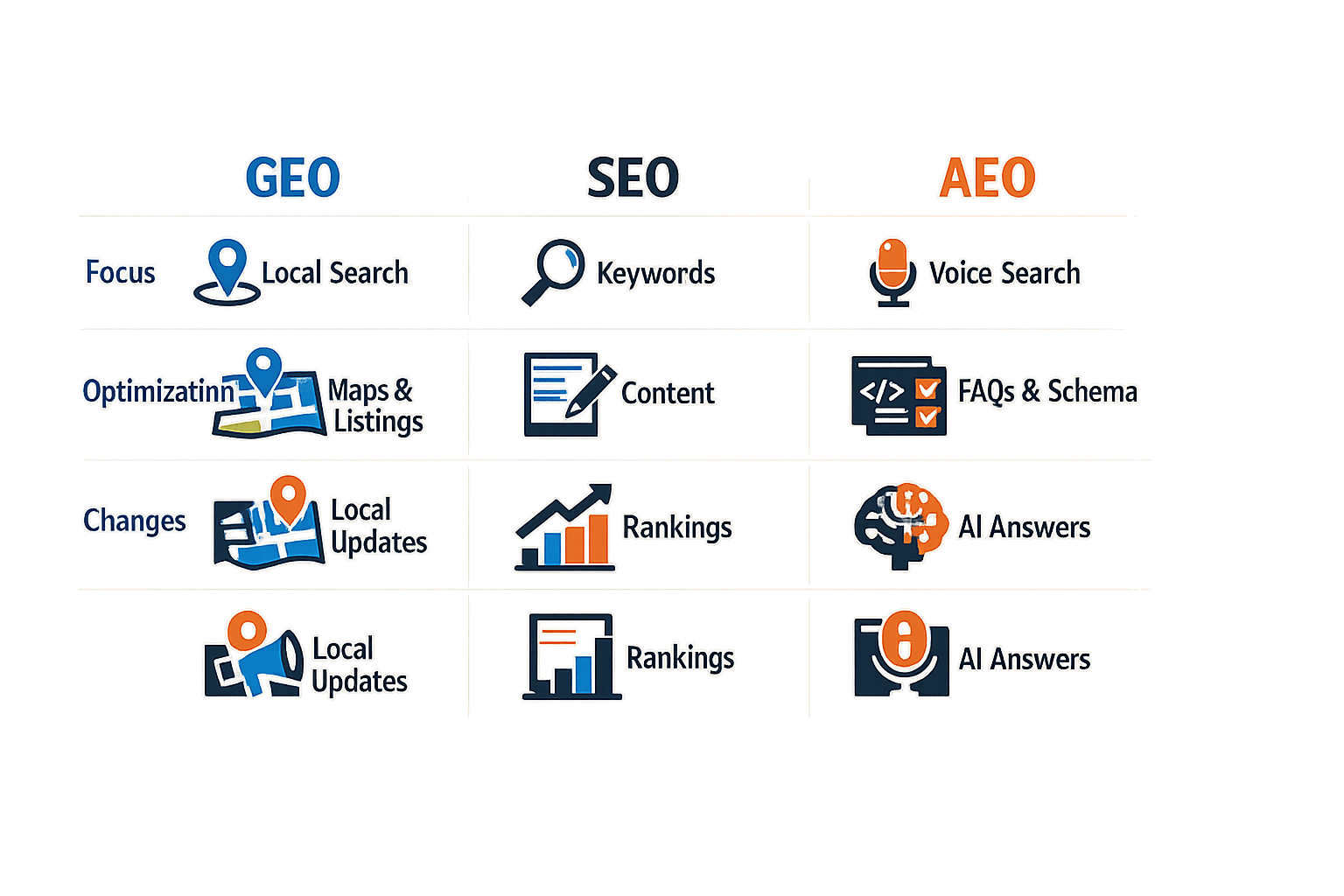
Geo vs SEO: AEO vs SEO: Key Changes for Search Teams (+ GEO Explained)
Explore the differences between AEO vs SEO and GEO, and understand what changes for search teams and what remains the same in modern search optimization. Learn about geo

SEO Manager Job Description: In-House vs Agency
Explore in-house SEO vs agency options through the SEO Manager job description, covering key responsibilities and when each approach fits your organization.
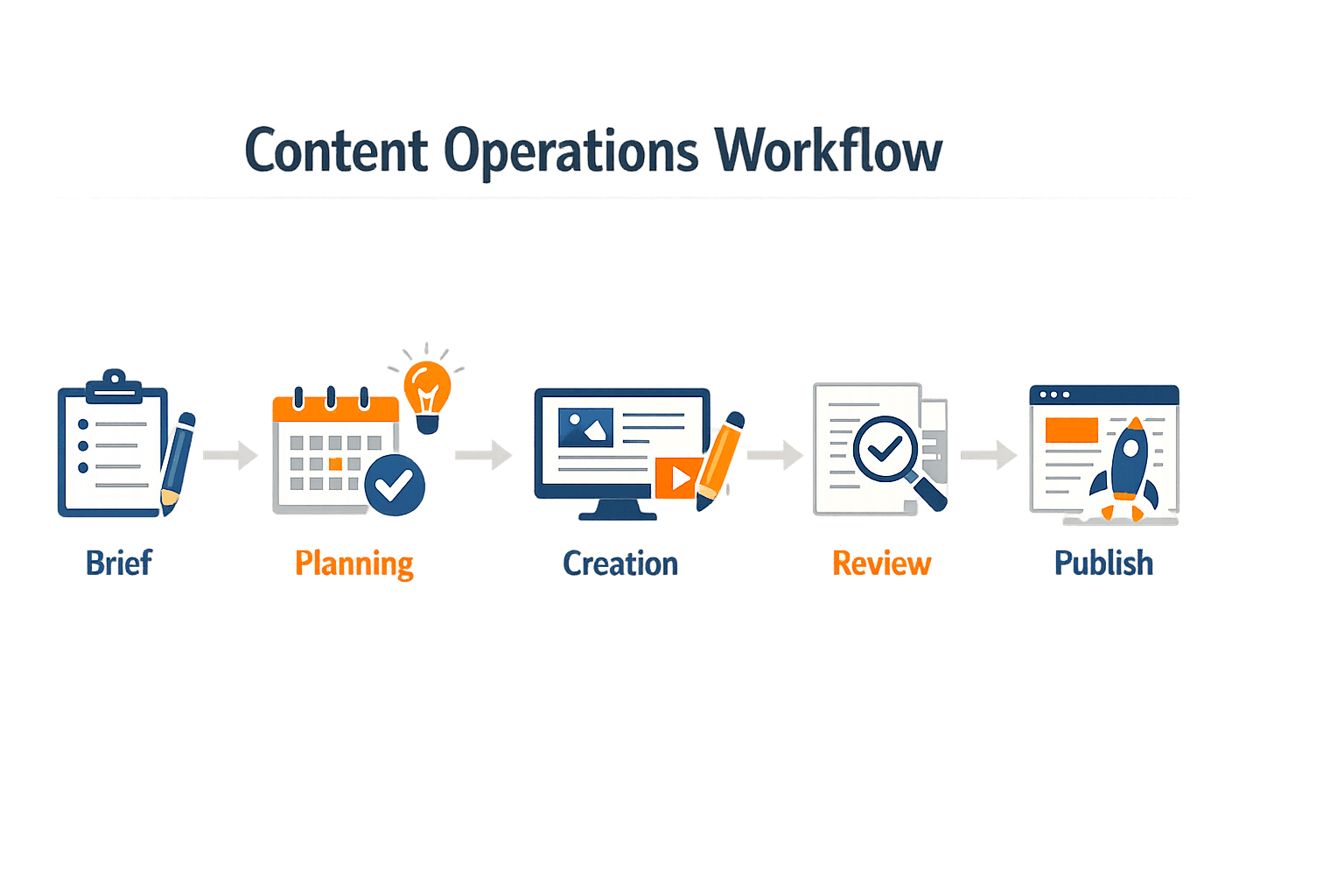
SEO Content Brief to Published Page: Content Operations Workflow
Explore the content operations workflow from seo content brief to published page, ensuring efficiency and quality at every stage.